Wulajie Manchu Town Guide: A Half Day in the Town Before Jilin City
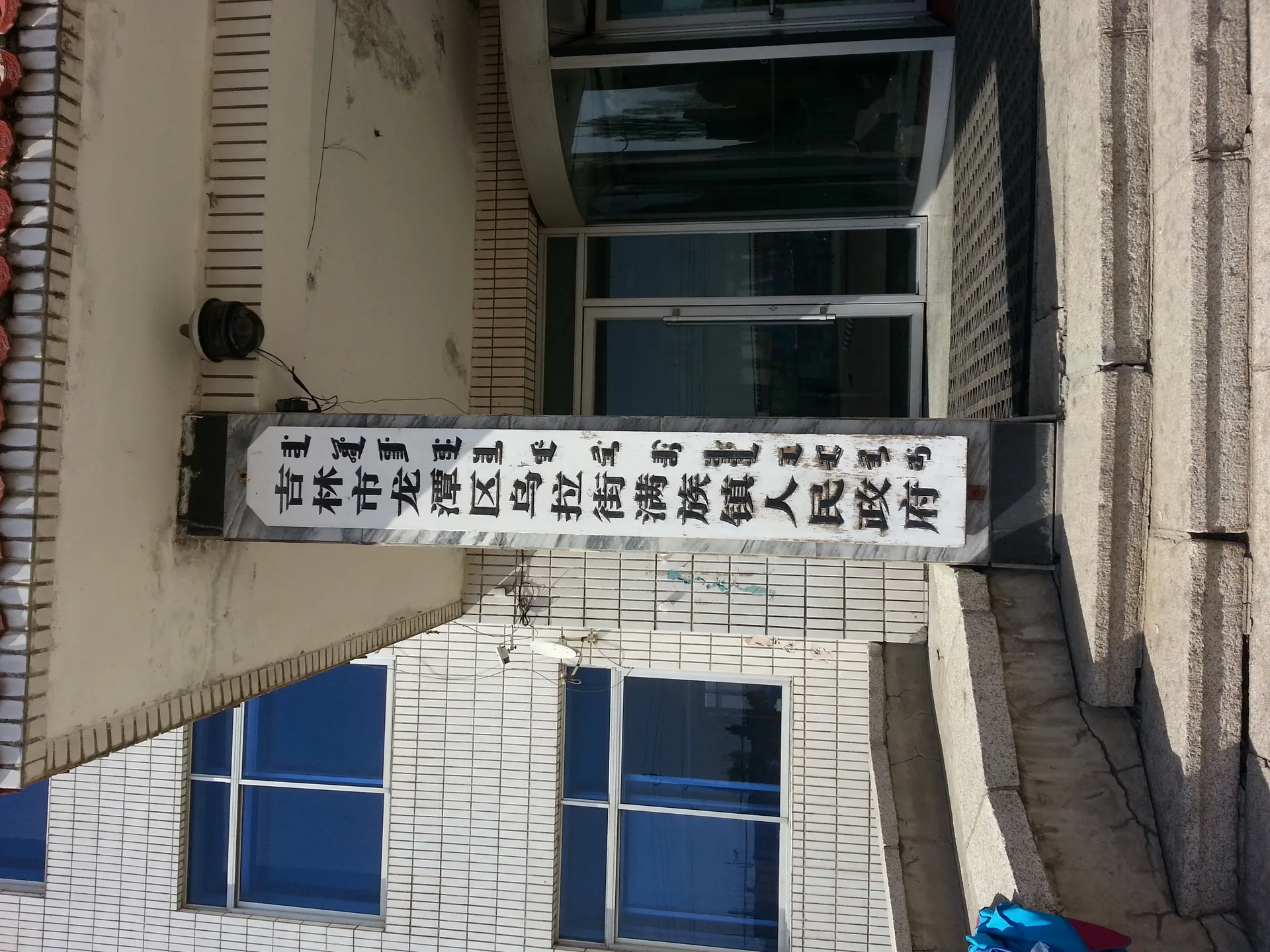
Wulajie Manchu Town is the town that came before Jilin City, and a half day there fills the gap most city visits leave. Walk the old Manchu street, look at the Qing courtyard houses, stand on the ground of the old Ula capital, and finish with a copper pot hotpot lunch. The town sits about 30 km north of downtown, so the trip fits a morning plus lunch with an easy return to the city.
At a glance
- Place: Wulajie Manchu Town, Longtan District, Jilin City, on the Songhua River
- Distance: About 30 km north of downtown; allow about 1 hour each way by road
- Time needed: A half day, morning plus lunch, with return to the city in the afternoon
- Tickets: No single town ticket is verified for this guide. The street walk is open as a living town street. Check each house or small museum at the door on the day
- Opening hours: Not stated as a fixed timetable, since house and museum hours in the town are not verified for this guide. Arrive in the morning for the street at its liveliest
- Best season: Any season for the town itself. December to February pairs it with dawn rime on Rime Island in the same town
- Getting there: Bus from the Chaluxiang Bus Station area near Jilin Railway Station toward Wulajie Town, or a taxi or Didi round trip with waiting time. An older listing gave about 50 minutes and 8 RMB from the long distance station, so treat that fare as a starting point and confirm on the day
Wulajie Manchu Town in 30 seconds
- First, the street: Walk the old Manchu street in the morning, when the town is awake and the food stalls are open.
- Second, the houses: Look for the Qing courtyard houses known as Houfu, Kuifu, and Safu. Interiors may be closed or under repair, so enjoy the street and the exteriors if a door is shut.
- Third, the old capital: Go to Jiujie Village for the site of the old Ula city, and read it as ground with a story rather than as standing walls.
- Fourth, lunch: Eat Manchu hotpot in town, copper pot with pickled cabbage and blood sausage, then return to the city in the afternoon.
- Rule for the visit: Treat Wulajie as a living town, not a park. The pleasure is the street, the houses, and the table, and a closed door is a reason to keep walking, not a ruined day.
Why this town came first
The name itself gives the first clue. Ula is a Manchu word meaning a plain or walled town by the river, and the town grew on the Songhua River where river, plain, and road met. Local tradition sums up the order of the two towns in one line: Wulajie first, then Jilin City. The town to the north is the older settlement, and the city to the south grew later.
The history behind that line is the Ula tribe, one of the four Hulun Jurchen tribes. Wulajie was the capital of the Ula tribe, and the walled Ula city at Jiujie Village was its seat. The Ula state fell in 1613, in the campaign that ended the tribe as an independent power. A new Ula town was built in 1701 under the Dasheng Ula superintendent Mukedeng, which is the town whose street you walk today. In 2008 the town was named a Chinese Famous Historical and Cultural Town, a national listing that marks its old street and houses as heritage rather than as a rebuilt theme street.
That layered past is why the town pairs so well with the city museums. The Manchu roots guide gives the wider Manchu story, and the Jilin Manchu Museum in the city shows Manchu life in a courtyard house. Wulajie shows the same story at town scale, in the place where the tribe once ruled. Think of the pairing the way you would pair a small former county capital with the larger city that later outgrew it. The comparison holds for age and scale only. The difference is the content: Manchu courtyard houses, a river plain setting, and a hotpot table, not a European market square.
The half day, in walking order
Start in the morning. Wulajie is a working town of about 71,000 people in the wider township, with Manchu, Han, Hui, and Korean residents, so the morning street shows daily life rather than a performance. Walk slowly, look at the courtyard house fronts, and stop where food is cooking. The town rewards a walker who treats the street as the sight, since no single building carries the whole visit.
The courtyard houses are the architectural core. Three Qing official residences are named in the national listing for the town: Houfu, the house of Yunsheng, the 31st Dasheng Ula superintendent; Safu, the house of Suozhu, the 13th superintendent; and Kuifu, the house of the late Qing official Wang Kuifu. Together with a mosque, they form the Wulajie Qing building group, listed by Jilin Province in 2007 and by the State Council as a national key cultural relic in 2013. That listing is the reason to seek the houses out, and also the reason to stay flexible. A listed house can be under repair on the day you come, and a 2020 survey of the town already noted repair work at these houses. If a door is shut, look at the courtyard walls and rooflines from the street, note the scale of a superintendent house against an ordinary town house, and move on to the next stop.
From the houses, go to Jiujie Village for the old city site. The Ula capital once stood here with inner, middle, and outer walls, and the city was destroyed in the 1613 campaign. Do not arrive expecting a standing fortress. The value of the stop is standing on the ground where the capital stood, with the river plain around you, and understanding why a tribe would build here: river transport, flat land, and a defensible bank. The Longtan Mountain fortress in the city gives the contrasting mountain version of a fortified site, and the two together show how the same region defended a river town and a hilltop.
On the way back through town, look for the old elm in the south of the town, known as the Nandan tree. Local tradition gives it three to four hundred years, and it is hung with red cloth and tended with incense. Treat it as a living shrine, not as a photo prop. Photograph from a respectful distance, keep voices low, and do not touch the offerings. The tree shows a side of Manchu folk belief that the museums describe and the town still practices, and it is best met quietly.
Lunch: the copper pot
Lunch is the second half of the visit, not an afterthought. Manchu hotpot arrives as a copper pot of broth, with pickled cabbage and blood sausage among the core ingredients and sliced meats to cook at the table. The flavour is sour and savory from the pickled cabbage, which makes it a different meal from spicy Sichuan hotpot or the plain broth pots of Beijing. The hotpot guide explains the wider Jilin hotpot table, and Wulajie is the home setting version of that meal.
Order with the table, not with a checklist. One pot plus pickled cabbage, blood sausage, and sliced meat is the shape of the meal, and the restaurant will fill the rest. Around the hotpot, the town table adds dishes that travel less well than the pot itself: sticky rice wrapped in linden leaves, niandou bao steamed bean buns, pork stewed with vermicelli, and jianfen, the local jelly noodle that also fills the city street food stalls. White millet from the town is the local product to take home if a shop sells it, and Manchu pickled cabbage craft is listed as a municipal intangible heritage, which explains why the cabbage here tastes like a local product rather than a generic side dish.
One custom is worth knowing before you sit down. Many Manchu households traditionally do not eat dog meat, and the town keeps that custom. Visitors need no special behaviour beyond ordinary respect: eat what is offered, do not press a host on the point, and do not treat the custom as a curiosity to debate at the table.
Pairing the town with Rime Island
In winter, Wulajie does double duty, and the order matters. Rime Island sits in the same town, and rime ice is a dawn sight that fades by late morning. Leave downtown by 5:30 AM at the latest, do the island first, and spend the rest of the morning and lunch in the town. The Rime Island day guide covers the island villages and the dawn walk, and the rime ice guide explains how the frost forms. This guide covers only the town half of that day, and the two together make the full winter trip. The 7 day itinerary uses the same pairing on its town day, and the 2 day itinerary shows the shorter version.
In other seasons, drop the dawn start and give the town a normal morning. The island without rime is a quiet river island, and the value of the day shifts fully to the street, the houses, and the food. That is also the better season for a slow walk, since the town street is at its easiest in mild weather and the hotpot lunch is welcome rather than urgent after a freezing dawn.
Practical notes
- Transport: A bus from the Chaluxiang Bus Station area near Jilin Railway Station runs toward Wulajie Town, and the island guide gives the same bus plus ferry route for the island leg. A taxi or Didi round trip with waiting time is simpler, and it controls the return hour. Day tours from the city run in rime season if you would rather let a guide read the overnight conditions.
- Money: Carry cash or a working mobile payment app for a small town lunch and bus fares. The existing island guide puts a full winter day trip with transport, island ticket, and hot lunch well under 300 RMB per person, with winter pricing moving, so use that figure only as a rough guide for the combined day and confirm locally.
- What to wear: Walking shoes for the street and the old city site ground, and a warm layer in winter even after the island dawn, since the town walk is outdoors. Summer visitors need sun cover and water, since the town walk has little shade between houses.
- What not to expect: No single ticket office, no fixed English signage at every house, and no guarantee that any one interior is open. The town is the attraction, and a flexible walker gets more from it than a visitor chasing one closed door.
- Going further: The things to do list and the Jilin City travel guide place this half day inside a full city trip. Base yourself in the city centre, as the where to stay guide advises, and use the transport guide for buses, taxis, and Didi in the city itself.