Jilin Winter Festivals: Rime Season, Ski Openings, and How to Plan It
The essentials in 30 seconds
- What it is: a full winter season, not a single weekend. Jilin’s Rime Ice and Snow Festival opens the season in late November, and programmed winter life, rime viewing, skiing, ice lanterns, runs through February.
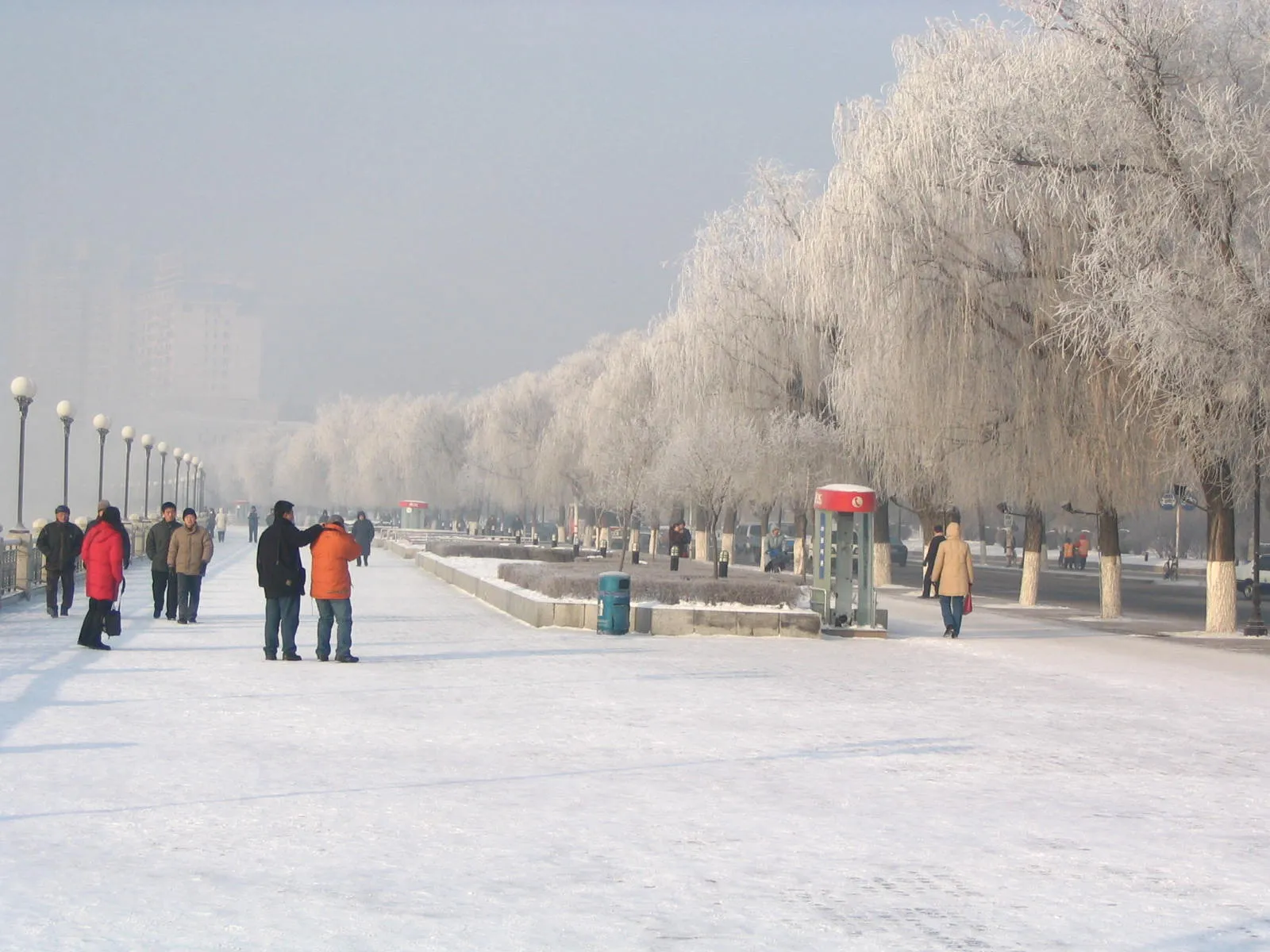
- The headline act: rime ice (雾凇) on the Songhua River, at its most reliable in January. Our rime ice guide is the deep manual for that.
- The second headline: real ski mountains. Beidahu and Songhua Lake sit within an hour of downtown, and the season opening ceremony is itself a festival event.
- When to come: late November for the opening buzz, December to February for the full winter, January for the safest rime bet. See best time to visit for the month-by-month logic.
- How long: four to five days covers rime mornings, one or two ski days, and the city itself. Three is the honest minimum.
What “winter festival season” means here
In most cities a winter festival is a week of ice sculptures and then everyone goes home. Jilin does it the other way around. The city calls itself the rime capital (雾凇之都), and winter is its main season, the months the whole place is built for. The festival, the Jilin Rime Ice and Snow Festival (吉林雾凇冰雪节), is the opening ceremony of that season: performances, the first crowds, the ski resorts spinning up their lifts, the riverfront switching to its winter program. Then the season itself, roughly late November through February, is the actual event.
That shape matters for planning. You do not need to land on opening day. The rime does not care about the ceremony schedule, and the skiing is better in January than in November. Think of the festival as the starting gun and the three months after it as the race.
Last season gives the pattern: the 31st edition of the festival opened on November 22, paired with the province’s new snow season opening ceremony at Songhua Lake Resort. Expect a similar late-November rhythm this year, and confirm the exact dates locally as the season approaches, opening days move with the snow.
The opening ceremony, and why skiers should care
The season opening is worth knowing about even if you skip the ceremony itself, because it tells you when the mountains wake up. Songhua Lake Resort, which hosted last season’s opening, is one of the country’s major ski destinations; the resort reports it can host 15,000 skiers at once. When the opening ceremony rolls through, with its parades and record attempts (last season included a Guinness record: 266 skiers in full Chinese opera costume completing the same one-kilometer run), you know the lifts are turning and the season is real.
Our Beidahu ski guide covers the other big mountain in detail: 870 meters of vertical, dry powder, night skiing, and a spot on the international Ikon Pass. Between Beidahu and Songhua Lake, a Jilin winter trip can be a genuine ski trip with rime on the side, or a rime trip with skiing on the side. Both orders work.
The cousin you already know
Sapporo’s Snow Festival is the famous cousin, and the comparison is useful because it shows what Jilin is not. Sapporo is a big-city week built around giant snow sculptures, spectacular and brief. Jilin is a working winter: rime forming on the river at dawn whether or not anyone is watching, real mountains an hour from downtown, and a season that runs three months instead of one week. If Sapporo is the gallery show, Jilin is the studio where the winter actually gets made. Same love of the cold, completely different shape.
Five ways to spend the season
1. Rime mornings. This is the reason to come. December to February, January most reliable, on the river before 9 AM. Rime Island (雾凇岛) in Wulajie Manchu Town is the headline, the downtown riverbank is the zero-effort version. The full playbook, where to stand, what to wear at minus 20, how to keep a camera alive, is in our rime ice guide.
2. Ski days. Beidahu for the serious mountain (see the ski guide), Songhua Lake for the big-resort experience. Both run roughly late November to March, snow-dependent. A Jilin winter itinerary with two ski days and two rime mornings is the classic strong trip.
3. Ice lanterns and the riverfront after dark. When the festival program is running, the riverfront parks light up with ice lantern displays and lit sculptures. It is the evening counterpart to the rime mornings: same river, twelve hours later, completely different mood. Walk it after dinner; the cold is easier to take when everything glows.
4. Winter swimming and the local winter. Every winter morning, swimmers cut a hole in the Songhua ice and go in. Watching them from the bank with hot tea in hand is a legitimate Jilin winter experience, and it tells you something about this city: the cold is not endured here, it is used. You do not have to join them. Nobody will judge you for watching.
5. The winter table. Cold this serious produces food this serious. Iron-pot stew (铁锅炖) slow-cooked over a wood fire, suan cai hotpot, frozen pears and frozen persimmons (冻梨, 冻柿子) eaten like popsicles. Our food guide and hotpot guide map the full version; in winter, eat the heaviest thing on the menu without apology.
Planning the trip
When: Late November if you want the opening energy; December through February for the full season; January if rime is the whole point. February brings the Spring Festival travel rush, book ahead if your dates overlap it.
How long: Four to five days is the sweet spot: two rime mornings (rime is weather-dependent, so build in a spare), one or two ski days, one city day for the museums and the riverfront. Three days is the honest minimum and it means choosing between the second ski day and the spare rime morning.
Where to stay: Downtown Jilin for rime mornings (you need the 5:30 AM departures) and the riverfront nights; the ski resorts for ski days. Splitting the stay, city first, mountain after, is the standard move. See where to stay.
Getting there: High-speed rail from Changchun is the easy route; our getting-there guide has the full version.
What to wear: This is a minus 20 degrees Celsius trip, not a minus 5 one. Thermal base, fleece mid, windproof shell, insulated boots with grip, hat, insulated gloves, face cover. The complete checklist is in our winter packing list. Do not improvise this.
Good to know
- The festival program is mostly free or cheap. Rime viewing costs little more than transport; the big-ticket spending in a Jilin winter is lift passes and the ski days around them.
- Rime is weather, not a show. No festival schedule can guarantee it. Foggy night plus bitter clear morning is the formula; our rime guide explains how to read the forecast.
- Confirm dates locally. Opening ceremonies and event programs shift with the snow. Hotel staff and the resort accounts post the current schedule first.
- The city is used to winter visitors. This is not an expedition destination. Heated everything, good infrastructure, and a local population that has strong opinions about the best rime bank this week. Ask.
FAQ
When exactly does the winter festival season start? The Rime Ice and Snow Festival typically opens in late November and the season runs through February. Last season’s 31st edition opened November 22. Treat any specific date as provisional until the resorts confirm their opening days.
Do I need tickets for the festival? The festival itself is a season of programmed events, most of them free riverside programming. You pay for the pieces you choose: ski lift passes, Rime Island admission, transport. There is no single festival ticket.
Can I combine rime viewing and skiing in one trip? That is the whole point of a Jilin winter. Rime mornings (6 to 9 AM) and ski days do not conflict; many visitors do dawn rime and afternoon lifts on the same day, or alternate days across a four-to-five-day trip.
Is it too cold for children? Minus 20 at sunrise is serious for small children. Older kids handle it with proper layers, and the ski resorts are the easier winter entry point than 6 AM rime mornings. Keep rime outings short for young kids and have a warm retreat planned.
What if there is no rime during my visit? Build in a spare morning, that is the main insurance. And the trip still holds: the skiing, the ice lanterns, the winter food, and the Manchu-town day trips do not depend on rime. January is the statistically safest month.
Is English spoken? Very little outside the international ski resorts. The festival programming is aimed at domestic visitors. Our guides are written to make the logistics work without Chinese; a translation app covers the rest.
Start with the city travel guide for the big picture, then go deep on rime and skiing. Pack from the winter list and time it with best time to visit.