Jilin City Visitor Etiquette Guide: Table Manners, Temples, Photos, and Markets
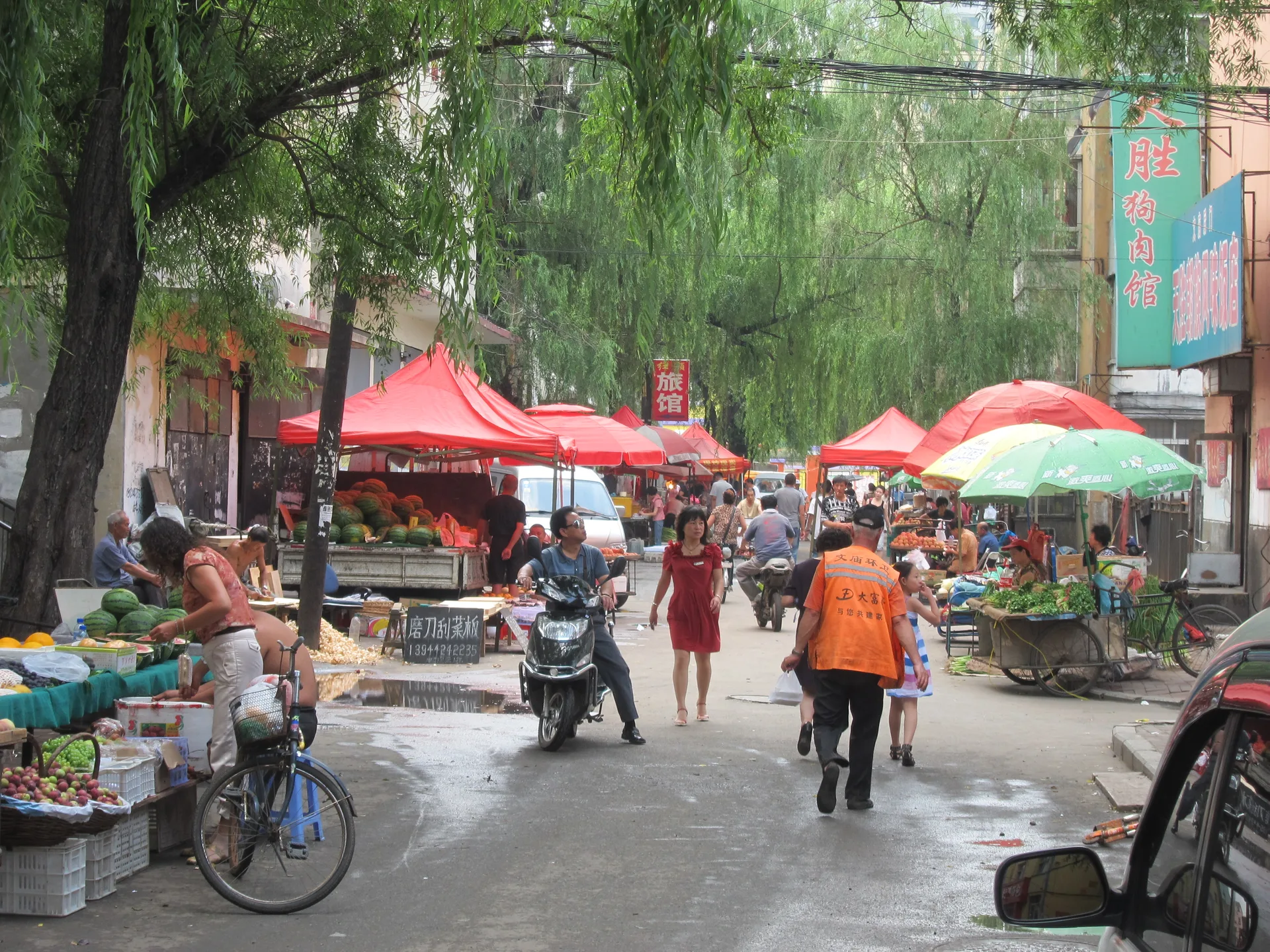
Jilin City runs on the same manners as the rest of China, with a northeastern directness on top. Get four things right and the rest takes care of itself: keep your chopsticks flat, keep your voice down in temples, ask before you photograph people, and only haggle where prices are not printed. Nothing here needs perfect form, and locals forgive a foreigner who is visibly trying.
At a glance
- Place: Jilin City, Jilin Province, Northeast China, on the Songhua River
- Covers: Shared meals, temples and churches, photography, markets, and everyday encounters
- The rule that covers most of it: Watch what locals do, then copy the quietest version
- Tipping: Not expected in restaurants, taxis, or hotels. The price on the menu is the total
- Best habit: A smile, a nod, and ni hao, which means hello
- Watch out: Museum and temple hours vary, and night market locations shift with the season, so ask your hotel for the current spot
- Going deeper: The travel guide is the starting point for the whole trip
Jilin City etiquette in 30 seconds
- At the table: Chopsticks stay flat, never upright in rice. Use serving chopsticks for shared dishes. Wait for the host to invite everyone to start. Lifting your rice bowl to your mouth is normal.
- In temples: Cover shoulders and knees. Step over thresholds, never on them. Courtyards are fine to photograph, halls usually are not. Keep your voice low.
- With the camera: Ask before photographing people, especially older people and anyone praying. No flash indoors. No drones at temples or historic sites.
- At the market: Bargain at stalls and souvenir shops only. Start at 30 to 50 percent of the asking price. Never haggle where prices are printed.
- Paying: Pay the bill as printed, no tip. Alipay or WeChat Pay with a foreign card, and small cash as backup.
- When you slip up: Smile, say bu hao yi si, fix it, and move on.
At the table: the four chopstick rules
Most meals in Jilin are shared. Dishes land in the middle of the table, everyone eats from the same plates, and the table turns on a lazy Susan in larger restaurants. A shared Chinese table works a bit like a Spanish tapas spread, with one difference that matters: you take food with serving chopsticks, not your own. If a dish has communal serving chopsticks, called gongkuai, use them. The habit is increasingly the norm in cities and is appreciated for hygiene.
Four chopstick rules carry the meal. First, never stick chopsticks upright in a bowl of rice. The shape copies incense sticks burned as offerings to the dead, and every Chinese person at the table reads it that way. Rest them flat on the chopstick rest or across the rim of your bowl. Second, never pass food from your chopsticks to someone else’s chopsticks. That gesture copies a funeral ritual, so put food on their plate instead. Third, never tap or drum your bowl with chopsticks. It echoes how beggars once rattled a bowl to ask for food, and at a shared table it reads as a complaint about slow service. Fourth, never point at someone with chopsticks. Put them down first, then gesture with your hand.
Two more table habits are worth knowing. Wait for the host to invite everyone to start, often with a phrase meaning please eat, and do not pick up your chopsticks before that. At a formal dinner the guest of honour takes the seat facing the entrance and furthest from the door, while the host sits nearer the door. As a visitor you do not need to memorise the hierarchy. Simply wait to be shown to your seat rather than choosing one yourself. And lifting your rice bowl close to your mouth is standard practice, not bad manners, so do not eat hunched over the table trying to keep the bowl down.
Toasting is part of a shared meal, especially at a banquet. The word is ganbei, which means dry cup. Clink your glass lower than the glass of an elder or a senior person at the table. You are not obliged to drink alcohol to take part. Raising a glass of tea or water for the toast is accepted, and a polite refusal of baijiu is accepted too. What causes awkwardness is refusing sharply, not the refusal itself.
Paying the bill is simpler than in most countries a visitor comes from. The closest comparison for an American visitor is Japan, not the United States: the price on the menu is the total, the staff are paid by the restaurant, and no tip is expected. In mainland China tipping is not customary in ordinary restaurants, taxis, or hotels. A hotel dining room may add a 10 to 15 percent service charge, printed on the bill, and that charge replaces a tip. If you leave cash on a restaurant table, the server may chase you down the street to return it, thinking you forgot it. The one place a gratuity is normal among international visitors is a private guide who spends a full day with you.
Ordering is the easy part. The dumpling guide covers how to order by pointing, and the same method works at any small restaurant: point at a dish, hold up fingers for quantity. Order a little less than you think you need. Dishes arrive family style and keep coming, and an unfinished mountain of food is the one waste nobody at the table enjoys.
In temples and churches: quiet, covered, and off the threshold
Jilin’s temples are working places of worship, not museums. Monks and priests perform rituals, and locals come to pray for health, exam results, and family. The Beishan Park temples are the ones most visitors meet first: Guandi Temple, dated 1701 and dedicated to Guan Yu, the third century general turned god of loyalty; Medicine King Temple, dated 1738, where locals pray for health; and Jade Emperor Pavilion, dated 1776, the largest hall in the complex. The Confucian Temple on Nanchang Road dates to 1736, moved and expanded in 1909, and has been nationally protected since 2006. The Sacred Heart Cathedral on Songjiang Middle Road was built from 1917 to 1926, its tower stands 45 metres high, and it has been nationally protected since 2013.
The dress rule is simple: cover your shoulders and knees. A t-shirt and long trousers pass at most city temples, while tank tops and very short shorts can be refused at stricter sites. Remove your hat inside the halls, silence your phone, and keep your voice low. Carry a light scarf or overshirt in your day bag for stricter stops. At the cathedral, the same modesty applies, and the prayer hall is for worshippers first.
Step over the raised threshold at every doorway. Never step on it. The centre threshold is reserved for the gods, so enter on the right side of the door and leave on the left. Do not touch or climb statues, and do not point at a statue with one finger. Use an open palm instead. Do not point your feet at an altar.
Incense is the most common ritual you will see. Locals buy three sticks, light them at the candle stand, hold them with both hands at chest or forehead height, bow three times toward the hall, and place them upright in the bronze burner. Visitors are welcome to take part respectfully. Do not light incense for a photo, and never blow out the flame with your mouth. Wave it out with your hand instead. If you do not want to take part, simply stand aside and watch. Nobody expects it of you.
Photography inside sacred space follows one rule: courtyards and exteriors are usually fine, and inside the main halls photography is almost always forbidden. Look for the no photography sign at the hall entrance, and when in doubt, do not shoot. Never use flash, which damages old paintings and disturbs worshippers. Tripods and selfie sticks are banned at major temples. Most of all, do not photograph people who are praying without their permission.
Temple hours in Jilin are worth checking on the day. The museum at No. 100 Jilin Avenue is free, open 9 AM to 4:30 PM, and closed on Mondays except national holidays. The Confucian Temple ticket is a case where listings disagree, with some showing free entry and older ones showing around 15 RMB, so check at the door rather than trusting a guide. Beishan Park entry has been free since 2011, and the park address is No. 51 Desheng Road.
With the camera: ask first, especially of older people
Outside temples, the same ask first rule applies. Photographing a street scene, a building, or a market crowd is normal. A close portrait of a person is different. Ask before photographing people, especially older people, and accept a no with a smile. A nod toward your camera and a questioning look is enough when you share no language. Vendors at markets are usually happy to be photographed if you buy something or ask first. Children are a no without a parent’s clear permission.
Three hard limits apply everywhere in China. Never photograph military sites, border areas, or protests. Never use a drone at religious or historic sites, where drone photography is generally prohibited. And never use flash inside a temple hall or a museum gallery. The photography guide covers the best viewpoints in the city, including the riverside at dawn and the hilltop pavilions at dusk, and those are the places to take the shot rather than inside a hall.
At the market: where the price is a conversation
Bargaining in Jilin follows the same split as everywhere in China. Bargain freely at tourist markets, souvenir stalls, street vendors selling non food goods, and small clothing shops. Never bargain at supermarkets, department stores, chain stores, malls, restaurants, or ticket counters. Anywhere you can see a printed price tag or a barcode, the price is fixed, and haggling there is only awkward.
At a stall, the opening price is fiction. In tourist heavy areas a vendor may quote several times the real price, so start your counter at 30 to 50 percent of the asking price. At a local market, where prices start closer to real, start at 70 to 80 percent. Decide the most you will pay before you start, then bargain toward it. Your phone calculator is the best tool for this: type your number and show the screen, which avoids misunderstandings over spoken numbers. A smile and a joke keep the mood friendly. Bargaining is a social exchange both sides understand, not a confrontation.
The walk away is the price check. If the seller will not meet your price, thank them and walk away slowly. If they call you back with a lower number, that is the real price. If they let you leave, you have found their floor. Accept paying a little more than a local would. Tourist markup at a market is the cost of the experience, and paying a few extra yuan for a souvenir is not a loss.
Two phrases carry the whole exchange. Duo shao qian means how much is it. Tai gui le means too expensive, and it is the standard opening counter. Follow it with a concrete number, for example one hundred, how about it. If you see a sign that reads da 8 zhe, it means you pay 80 percent of the marked price, a 20 percent discount. The number before zhe is the fraction you pay, so da 5 zhe is half price.
Food is not bargained over. Night market skewers, jianfen, and dumplings have set prices, and the street food guide covers what a grazing dinner costs. The souvenir guide covers what is worth buying to take home. Night market and snack street locations shift with season and enforcement, so ask your hotel front desk for the current spot rather than navigating to a street name from a guide.
Everyday encounters: greetings, queues, and paying
A greeting goes a long way. Ni hao means hello, xie xie means thank you, and zai jian means goodbye. A nod and a smile cover the rest. Handshakes in China are light, not firm. If someone hands you a business card or a gift, take it with two hands. It is a small gesture that reads as respect.
Take your shoes off when entering someone’s home. Hotels and restaurants do not ask this. A home visit does. If you are invited to a family meal, bring a small gift such as fruit, and expect to be pressed to eat more. A second helping is a compliment to the cook.
Queues form at ticket counters, bus stops, and museum entrances, and joining the back of the line is expected. At train stations, boarding can be a scrum even when the queue was orderly, so arrive 30 to 40 minutes early the first time and follow the crowd through security. The transport guide covers buses, taxis, and the railway station in full.
Volume is a matter of place. Keep your voice down in temples, museums, and hospital waiting rooms. The street, the market, and the restaurant are louder places, and a normal conversational voice fits there. On a bus, keep phone calls short and quiet.
Paying is the last everyday habit to set up before you arrive. Alipay and WeChat Pay both accept foreign cards now, and in Jilin you will want at least one of them working, since small restaurants and buses assume mobile payment. Cash is still accepted, so keep small notes and 1 RMB coins as backup for buses and market stalls. City buses cost 1 to 2 RMB, with air conditioned buses at the 2 RMB end, and drivers usually cannot make change.
When you get it wrong
You will get something wrong. Everyone does. The recovery is short: smile, say bu hao yi si, fix the thing you did, and move on. Locals forgive a foreigner who is visibly trying, and over apologising makes the moment bigger than it was. The fastest way back to normal is to copy what the locals around you are doing. Watch first, then do the same, and the rest of the trip runs itself.
Practical notes
- The Monday trap: Jilin City Museum closes on Mondays except national holidays. Beishan Park stays open, so start there on a Monday instead.
- Winter clothing: Winter mornings can sit at minus 20 degrees or below, so the winter packing rules apply, with no cotton next to the skin and warm layers under a windproof shell.
- Eating out: The dumpling guide and the street food guide cover ordering by pointing and what a meal costs.
- Getting around: The transport guide covers buses at 1 to 2 RMB, taxis from 7 RMB, and the railway station at No. 1 Chongqing Street.
- Photos: The photography guide covers the best viewpoints, including the riverside at dawn and the hilltop pavilions at dusk.
- What to skip: Do not photograph people praying, do not haggle where prices are printed, and do not leave a tip on a restaurant table.