Jilin City Photography Guide: Rime at Dawn, River Light, and the Square After Dark
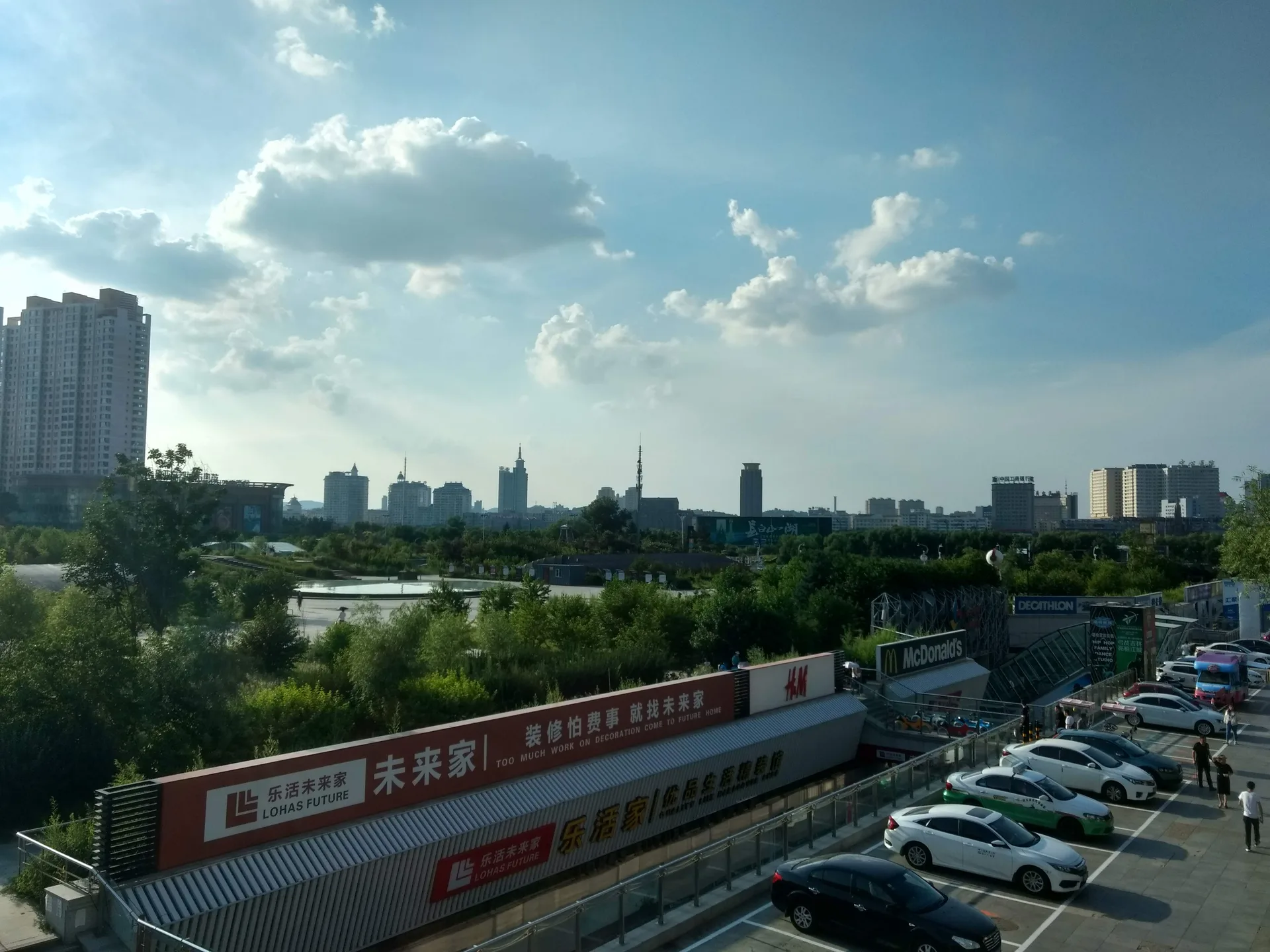
Jilin City rewards a photographer who plans around light rather than around a checklist. Four spots carry the city: rime trees at dawn in winter, the Songhua River at sunrise, Beishan Park hill at dusk, and Century Square after dark. This guide gives the timing, the route, and the honest caveat for each one, so you arrive at the right hour instead of the wrong season.
At a glance
- Place: Jilin City, Jilin Province, Northeast China, on the Songhua River
- The four spots: Rime Island at dawn in winter, the downtown Songhua promenade at sunrise, Beishan Park hill at dusk, Century Square fountains at night in the warm months
- Best season: December to February for rime, with January the most reliable month; warm months for the fountain show
- Cost: The riverfront walk, Century Square, and Beishan Park are free. Rime Island admission is typically under 100 RMB, and a whole winter day trip with transport, ticket, and a hot lunch in Wulajie lands well under 300 RMB per person in the existing guide, but winter pricing moves, so confirm locally
- Opening hours: No single timetable covers all four spots. Fountain times change with season and weather, and hill access at dusk must be confirmed on the day. Check each spot the evening before
- Getting around: City centre hotel plus taxi or Didi for the city spots; a prebooked car for the Rime Island dawn trip
Jilin City photography in 30 seconds
- Dawn, winter only: Rime Island. Leave downtown by 5:30 AM at the latest, be on the riverbank by 6 AM, and plan to leave by 9 AM.
- Sunrise, any season: The downtown Songhua promenade along Songjiang Middle Road, from Linjiangmen Bridge toward Jilin Bridge, with bridges and open water as foreground.
- Dusk: Beishan Park hill, for temple roofs above the city as the lights come on. Confirm evening access on the day.
- Night, warm months only: Century Square, for the music fountains after dark and the 50 metre Century Boat tower view over the river and the city lights.
- Rule for the whole trip: Allow 2 to 3 mornings for rime. One morning can miss, and no spot in this guide is worth a single rushed visit.
Spot 1: Rime Island at dawn, the winter headline
Rime is river mist frozen onto branches overnight, and Rime Island is where it grows thickest. The island sits on the Songhua River in Wulajie Manchu Town, about 40 km and around 1 hour north of downtown. The rime ice guide explains how the frost forms, and the Rime Island day guide covers the island itself. This section covers only the photography.
Timing is the whole shot. December to February is the season, January is the most reliable month, and the ice is a morning sight that fades by late morning. Leave downtown by 5:30 AM at the latest, arrange the car the night before through the hotel front desk or Didi, and be on the riverbank by 6 AM. Plan to leave by 9 AM. Thick fog around 10 PM the night before is your green light for the next morning. A clear or windy night is the warning sign that the morning may disappoint, which is why the guide asks for 2 to 3 mornings in the city rather than one.
For positions, start with the two villages on the island. Hantun Village is praised as the top photography spot, with the most lodging and dining and the riverside dock most visitors arrive through. Zengtongtun Village on the north side is quieter, with a good west-facing bank for sunrise and sunset shots. Treat that local recommendation as a starting point rather than a guarantee: on any given morning, which bank frosted best depends on the night wind and fog, and no village owns the weather.
The picture to chase is white branches against open water. The Songhua in the city section does not freeze solid, because water released from the Fengman Dam upstream stays warm enough to keep it flowing, and that open water is what throws up the mist. Use the dark water as a background and let the frosted willows carry the frame. A frosted tree shot from postcard distance looks like a snow forest scene, except the white here is ice grown overnight from river mist rather than snowfall, and it melts by late morning. That short life is the point of the photograph.
Dress for the shot, not for the walk back. Mornings often sit at minus 20 degrees or below at sunrise. Wear a thermal base layer, a fleece mid layer, and a heavy windproof outer shell, with insulated boots, a warm hat covering the ears, and insulated gloves. Carry a spare battery in a warm pocket and a lens cloth for mist. Gloves that let you work camera dials matter more than thick mittens you must remove for every frame. The winter packing list covers clothing for a dawn at minus 20 degrees and below.
Spot 2: Songhua River sunrise on the downtown promenade
If Rime Island is the winter headline, the downtown promenade is the everyday sunrise. The free riverside walk runs along Songjiang Middle Road from Linjiangmen Bridge toward Jilin Bridge, and the full riverside walk guide covers the route. For photography, the value is simple: a paved, flat bank, bridges as leading lines, and open water in every season.
Arrive before sunrise and set up on the promenade itself rather than on a bridge, where foot traffic and vibration work against a slow shutter. Jilin Bridge, the downtown crossing, is the one most visitors photograph, and it works best with the river and the far bank in the frame rather than as a closeup of the structure alone. In winter, the same walk doubles as a rime backup: on a good morning the riverside trees in the city centre are coated too, with zero travel time and a quick retreat to warmth if the cold bites.
The light changes with the season, and so should the plan. Summer mornings bring soft light and empty paths before the city wakes. Winter mornings bring mist off the open water and frost on the branches, plus the hardest cold of the trip. Spring and autumn give the quietest version of the same walk. In every season, the promenade rewards an early start and punishes a late one: by mid morning the light is flat and the frost, where there was any, is gone.
Spot 3: Beishan Park at dusk, the hilltop view
Beishan Park holds a temple cluster on one hill in the city, and the Beishan temples guide covers its history. For photography, the hill gives the one thing the riverfront cannot: height. Temple roofs in the foreground, the city below, and the river beyond make the dusk frame.
The temples themselves are the foreground interest. The Guandi Temple is dated 1701, the Medicine King Temple dated 1738, and the Jade Emperor Pavilion dated 1776, with Taoist, Buddhist, and folk shrines sharing the same slope. Park entry has been free since 2011, and the park sits in Chuanying District, an easy city bus or taxi ride from the riverfront. Allow 2 to 3 hours at an easy pace for the climb and the temples together.
For the dusk shot, climb in the late afternoon and work downhill as the light fades, so the temples stay in the frame while the city lights come on below. This guide does not promise after dark opening for the hill paths, so confirm gate access on the day at your hotel before you plan a late climb. The safe version of the shot is the dusk hour before closing. If the hill closes at dusk, take the blue hour frame from the lower slopes and save the full night view for the riverfront, where the promenade and the square stay open.
Spot 4: Century Square fountains at night, the warm month show
Century Square on Jilin Street in Fengman District is the anchor of a Jilin evening and the night photography spot in the warm months. The square covers about 22.8 hectares, is free to enter and open all day, with a museum complex at one end and the river at the other. Its centrepiece is a set of three music fountains, each 50 metres long, that dance to music after dark in the warm months. The square also holds the 50 metre Century Boat tower, with a viewing platform at the top for a look over the river and the city lights. The nightlife guide covers the evening around the square.
Arrive before dark. The square fills as the light fades, and the fountain show is best watched from the open ground in front of it rather than from the edges. That open ground also gives the cleanest tripod position, with room to frame the water against the tower and the lit river beyond. Fountain schedules change with the season and the weather, so treat posted times as a guide and ask at your hotel on the day. In freezing weather the fountains do not run at all, and the winter night show becomes the lit bridges instead.
For the frame, shoot the fountains with a slow shutter from the open ground, then walk to the river for the lit bridges. The Songhua bends through downtown, and its bridges light up at night, with the lights doubling on the water. The evening here feels like a Mediterranean evening promenade in shape, with families, couples, joggers, and snack carts filling the bank. The difference is pace and hour: this is a neighbourhood evening walk that happens to have a river, the crowds are mostly locals, and the night ends early rather than building toward a late bar scene. Photograph it as a local evening, not as a party district, and the pictures will match the place.
Putting the four spots together
In winter, one very long day can hold three of the four: dawn rime, a dusk climb at Beishan, and the lit riverfront after dark, with the downtown riverbank as the second dawn option on another morning. In the warm months, spread the work across two days: a river sunrise on one morning, then Beishan at dusk and the square fountains on one evening. The 2 day itinerary and the 7 day itinerary show how these spots sit inside a full trip, and the things to do list helps you cut or extend the plan.
Base yourself in the city centre for all four spots. The riverfront, the museums, and Beishan Park all stay within easy reach from there, and the Rime Island car leaves from your hotel door before dawn. See where to stay for areas and the transport guide for buses, taxis, and Didi.
Gear and manners
Pack light for the city spots and warm for the dawn spot. A camera plus one versatile lens covers the riverfront, the hill, and the square. Add a tripod for the fountain show, the lit bridges, and dawn rime in low light. A phone is enough for daytime temple and street shots, and a phone also works as a backup when cold shortens camera battery life.
Three habits keep the pictures good and the visit welcome. First, keep tripod legs clear of the main path on the promenade and in the square, where families and joggers pass in the dark. Second, photograph temple worshippers from a distance and without flash, since the shrines are working places of worship rather than sets. Third, check the frame for other visitors before a long exposure, since a slow shutter turns every passerby into a blur across your fountain shot.
When the weather says no
Rime is the only spot in this guide that can fail outright, and the failure mode is ordinary: a clear or windy night leaves bare branches at dawn. The fix is built into the plan. Allow 2 to 3 mornings, use the downtown riverbank as the low effort check on a doubtful morning, and keep the rest of the day for museums, temples, and food. A missed rime morning still leaves a city worth photographing, and a second morning often delivers what the first one withheld.