Jilin City Old Streets Walk: Henan Street, Jianfen Stalls, and the Old Centre on Foot
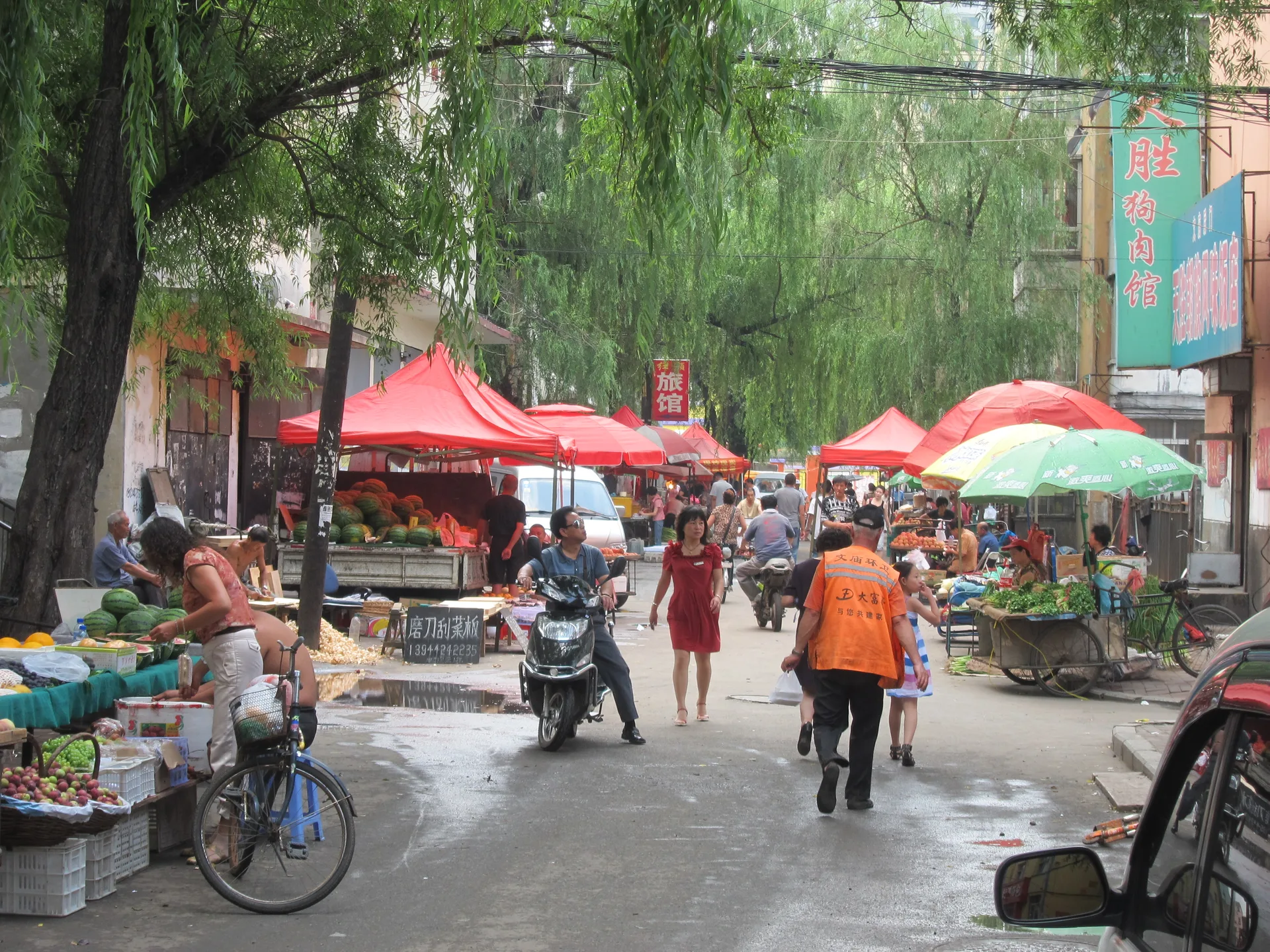
Jilin City has no single preserved old town behind a ticket gate. Its old streets are working streets in Chuanying District, where the city began in 1673, and the best way to read them is a half day loop on foot. Start at Henan Pedestrian Street, eat jianfen at the snack stalls, step into two 1932 museums on Desheng Street, and finish on the Songhua riverfront at Century Square. The streets and squares cost nothing, the museums report free entry, and the one thing to plan around is that snack stalls move, so ask locally before you set out.
At a glance
- Place: Chuanying District old centre, on the north bank of the Songhua River
- Duration: Half a day, about 3 hours of walking plus museum stops
- Stops in order: Henan Pedestrian Street, jianfen snack stalls, Desheng Street museums, Songjiang Middle Road riverfront, Century Square
- Tickets: Streets, riverfront, and squares are free public space. Museums report free entry, with Monday closures below
- Best season: Any season. Warm months bring the full market stalls, and winter brings rime on the riverside trees
- Watch out: No fixed address for a jianfen street could be verified, so ask your hotel for the liveliest snack street right now. The Manchu Museum and the City Museum close on Mondays
- Getting around: On foot inside the old centre, plus a short taxi for the temple extension. See the transport guide
Jilin City old streets walk in 30 seconds
- Stop 1, Henan Pedestrian Street: The old commercial street at the intersection of Henan Street and Jiefang Avenue. More than a century old, still busy, and best known for its traditional Chinese medicine pharmacies. Buses 28, 31, 32, 44, 45, and 46 serve it.
- Stop 2, jianfen snack stalls: Starch jelly sliced and pan fried crisp, tossed with chili oil, vinegar, and savoury sauce. The snack with no Western equivalent, sold by stalls around the old centre snack streets. No fixed address verified, so follow the queues.
- Stop 3, Desheng Street museums: Two museums in 1932 buildings on one street. The Manchu Museum at No. 47 Desheng Road sits in the Wang Baichuan courtyard house, and the Administrative Museum sits in the former provincial police department building. Both report free entry.
- Stop 4, Songjiang Middle Road riverfront: Sacred Heart Cathedral at No. 3 Songjiang Middle Road, built by French missionaries between 1917 and 1926, then the riverside promenade east past Linjiangmen Bridge to Century Square.
- Stop 5, Century Square: The big riverside square south of Jilin Bridge, 22.8 hectares with three music fountains in warm months. The Jilin City Museum stands at No. 100 Jilin Avenue beside it.
- Route rule: Walk the old centre, ride to the extensions. The core loop is all on foot, and the Confucian Temple in Changyi District is a short taxi ride away.
Why walk the old streets
Think of Henan Street beside a famous shopping street like Wangfujing in Beijing. The comparison holds for age and bustle: both are century old commercial streets where a city comes to shop. The difference is the audience. Wangfujing is built for visitors, with flagship stores and crowds from everywhere. Henan Street is a working local street where old medicine pharmacies outdraw the boutiques, and the bronze statue on the pavement marks a neighbourhood landmark rather than a photo queue. That is the whole point of this walk. Jilin rewards the visitor who walks its ordinary streets slowly, not the one who hunts for a single postcard view.
The route also fixes a common first timer mistake. Visitors tend to treat Jilin as a set of separate sights, a museum here, a temple there, a bridge somewhere else. The old centre ties them together. Chuanying District is where the old city stood, and the streets between Henan Street, Desheng Street, and the riverfront still carry the shape of that city: commerce on Henan Street, government on Desheng Street, and the river as the front door.
Stop 1: Henan Pedestrian Street, the working old street
Start the morning at Henan Pedestrian Street, at the intersection of Henan Street and Jiefang Avenue in Chuanying District. The Jilin tourism bureau calls it one of the most bustling commercial districts in the city, and dates the street back more than 100 years, with old stores surviving to this day. Its most famous shops are traditional Chinese medicine pharmacies dealing in medicinal materials, which tells you what this street has always been: a place locals come to buy things they need, not a stage set for tourists.
Walk it slowly and look up. The street mixes department stores with specialty shops, and a signature bronze statue stands on the pavement as the local meeting point. This is the stop for getting your bearings. Buy nothing in a hurry, note which shopfronts draw the longest local queues, and save your appetite for stop 2. Allow about 45 minutes, longer if you browse the pharmacies and the side lanes. Buses 28, 31, 32, 44, 45, and 46 serve the street, so it also works as the meeting point if your group arrives separately.
Stop 2: jianfen stalls, the snack with no equivalent
From Henan Street, head for the snack stalls of the old centre and eat the one dish this walk exists to find. Jianfen (煎粉) is starch jelly sliced and pan fried crisp, tossed with chili oil, vinegar, and savoury sauce. Chewy, crisp, sour, and spicy at once, it is the one item on the street food list with no Western equivalent, and the street food guide calls it the taste most tied to this specific city.
One honest caveat belongs here, stated plainly. Earlier guides on this site mention a jianfen snack street, but no fixed address for such a street could be verified for this walk. The stalls cluster around the snack streets and markets of the old centre, and they move with seasons and regulations, the same way the night markets shift. Do not navigate to a street name you found on a random blog. Ask your hotel front desk for the liveliest snack street right now, walk there, and follow the longest queue. Ordering needs no Chinese beyond pointing, holding up fingers for quantity, and the word zhege, meaning this one, said while pointing. Pay by phone where possible and carry some yuan as backup. A full grazing lunch of jianfen plus skewers and a steamed bun rarely breaks 30 RMB.
Eat standing up, the way locals do, then keep walking. The stalls are the midday fuel stop, not a restaurant meal, and the walk has museums ahead.
Stop 3: Desheng Street, two 1932 museums on one street
After lunch, head for Desheng Street, where two museums sit in two buildings from the same year, 1932, and tell two different halves of the city story.
First, the Jilin Manchu Museum at No. 47 Desheng Road, at the southern foot of Beishan Park. It sits in the Wang Baichuan courtyard house, built in 1932, and its eight halls cover Manchu roots, daily life, the Ula shipyard, and Shaman ritual. The site covers about 2,700 square metres. Entry is free and the museum closes on Mondays, so plan this stop for any day except Monday. Allow 1 to 2 hours, or 1 hour if you go straight to the halls that interest you most.
Second, the Jilin Administrative Museum on Desheng Street, in the building that began as the Jilin Provincial Police Department in 1932. Inside, the story runs from 1676, when the military governor’s headquarters moved here, to 1954, when the provincial capital moved to Changchun. A listing reports free entry and hours of 10:00 to 22:00, but treat both as listing claims, not confirmed facts, because the top floor is a restaurant and exhibition floors may close earlier. Visit in daytime and check the notice at the door. Allow 1 hour if you go straight to the second floor history corridor.
Practical note for this stop: check the museum name at the door, not just the street. Desheng Street and Desheng Road are the same area, and the two museums are easy to confuse with each other and with the Jilin City Museum by Century Square. The names on the door settle it.
Stop 4: the riverfront, cathedral to Century Square
From Desheng Street, walk north to the river and join the promenade on Songjiang Middle Road. The Sacred Heart Cathedral stands at No. 3 Songjiang Middle Road, near the north end of Jilin Bridge. French missionaries built it between 1917 and 1926, its bell tower rises 45 metres, and it was listed as a national level protected heritage site in 2013. It is an active church, not a museum shell, so dress respectfully, keep your voice down, and avoid visiting during Mass unless you intend to attend.
Walk east along the riverfront from the cathedral, with the river on your left. You pass Linjiangmen Bridge, completed in 1994, running 686 metres across the river on a single tower and linking Chuanying and Fengman districts. Keep walking east to Century Square, the big riverside square south of Jilin Bridge, which runs more than 900 metres from north to south and covers 22.8 hectares, with three music fountains, a flag platform, and a river viewing platform at the water edge. The fountains run in warm months and stop in freezing weather, so in winter the evening show becomes the lit bridges and, on a good morning, rime on the riverside trees.
Finish at the Jilin City Museum at No. 100 Jilin Avenue, beside Century Square. General admission is free, hours are 9:00 to 16:30, and the museum closes on Mondays except national holidays. The meteorite hall and the 5,000 year history hall are the two rooms to prioritise if your legs are tired. Allow 2 hours, or 1 hour for those two halls only. The full riverside walk guide covers this stretch in more detail, including the evening boat option.
Extensions if you have the energy
Two stops sit just outside the core loop and are worth the extra effort on a second half day, or a taxi ride after Century Square.
Beishan Park temples. North of the centre, Beishan Park holds three temples on one hill: the Guan Yu Temple from 1701, the Medicine King Temple from 1738, and the Jade Emperor Pavilion from 1776. Entry has been free since 2011. Our temples guide covers the climb and the viewpoints. Go for the late afternoon light and the view over the river bend.
Confucian Temple. A short taxi ride east into Changyi District brings you to the Jilin Confucian Temple at No. 2 Nanchang Road. First built in 1736 and moved to its present site and expanded in 1909, it was the first Confucian temple the Qing dynasty built in Northeast China, and it was listed as a national level protected cultural relic in 2006. Listings report hours of 8:30 to 16:30 with Monday closure and free entry, though the free entry conflicts with an earlier guide that quoted about 15 RMB, so confirm the price at the gate. The heritage architecture walk pairs the temple with the cathedral, the Administrative Museum, and the arsenal in one morning, if you would rather do the buildings as a set.
Practical notes for the walk
- Order and transport: Henan Street, then the snack stalls, then Desheng Street, then the riverfront east to Century Square. Walk the core loop. Take a taxi or Didi only for the temple extension. See the transport guide for bus and taxi basics.
- Monday plan: If the day falls on a Monday, keep the streets, the snack stalls, the riverfront, and Century Square, and skip the museum interiors. The Manchu Museum and the City Museum both close on Mondays, and the Confucian Temple is reported closed on Mondays too.
- Stalls move: Snack stalls and night markets shift with seasons and regulations. The queue is the review system, and the hotel front desk is the most current map. Ask before you set out, not after you arrive at an empty street.
- Money: Carry some yuan as backup even though phone payment works at most stalls. The streets and squares are free, the museums report free entry, and food is the only real spending.
- Winter note: The walk works in winter, and the rime on the riverside trees is the reward, but dress for the cold before the riverfront stretch. Keep your phone in an inside pocket between payments, since the cold drains batteries fast.
- Extending the day: This walk pairs with the 1 day itinerary if you want the museum morning in a fuller plan, and with the things to do list if you want to add a night market dinner after Century Square. For the city overview behind this route, see the Jilin City Travel Guide.
Part of our Travel series. For the full trip plan, see the Jilin City Travel Guide.