Jilin City Family Day Itinerary: Museum, Beishan Hill, Riverside, and Night Market with Kids
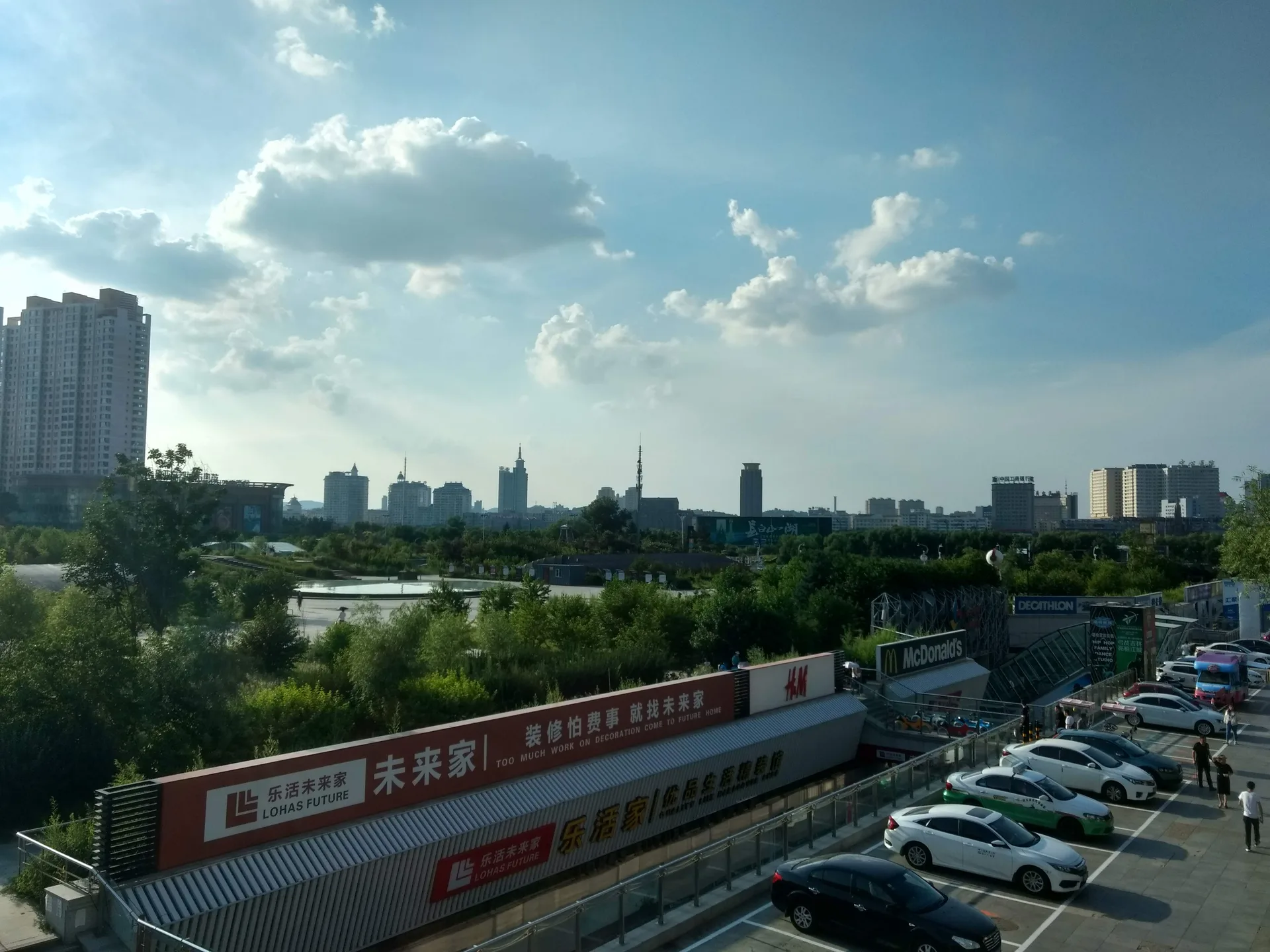
One day in Jilin City works well for a family when the day is built around what children actually enjoy: one big object to stare at, one hill to climb, one open square to run in, and dinner eaten standing up at a market. This plan gives you a museum morning, a hill park afternoon, a riverside walk at dusk, and a night market dinner, all inside the city centre. It leaves out Rime Island, Songhua Lake, and Changbai Mountain on purpose, since each of those needs its own day and an early start that small children will not enjoy.
At a glance
- Place: Jilin City, Jilin Province, Northeast China, on the Songhua River
- Duration: One full day, from a 9 AM museum start to a night market dinner
- Base: A city centre hotel, within walking reach of the riverfront
- Tickets: General admission to Jilin City Museum is free. Beishan Park entry has been free since 2011. The riverside walk and Century Square are open public space
- Best season: Any season, with December to February for winter rime mornings and warm months for the Century Square fountain show
- Watch out: Jilin City Museum closes on Mondays except national holidays. Night market and snack street locations shift with season and enforcement, so ask your hotel for the current spot. Beishan Park is stone steps and slopes, so bring a carrier for small children rather than a stroller
- Getting around: On foot plus taxi or Didi. See the transport guide
Jilin City family day in 30 seconds
- Morning, 9 AM to 11 AM: Jilin City Museum at No. 100 Jilin Avenue, by Century Square. Free entry, closed Mondays. Let the children lead in the meteorite hall, where Jilin No. 1 weighs 1,770 kg, then take the 5,000 year history hall at their pace.
- Midday: A dumpling lunch downtown. Pork and cabbage dumplings suit cautious eaters, and the dumpling guide covers how to order by pointing.
- Afternoon, 2 to 3 hours: Beishan Park in Chuanying District. Climb at the children’s pace, visit one or two temple halls, and use the hilltop pavilions for the city view and a rest.
- Dusk, 1 to 2 hours: The riverside walk along Songjiang Middle Road, from Linjiangmen Bridge toward Jilin Bridge, ending at Century Square, where children get open space to run.
- Evening: Dinner at a night market. Graze on skewers and jianfen, the pan fried starch jelly, and keep the meal short if younger children are tired.
- Pace rule: One major site per half day, plus the walk and the dinner. A family day that tries to add the lake or the mountain will fail on tired legs alone.
How this day differs from the adult 1 day plan
The 1 day itinerary runs the same four stops in the same order, and this family version is a slower cut of that day rather than a different route. The museum visit shrinks to the meteorite hall first and the history hall only if energy holds. The Beishan climb drops from three temple halls to one or two, with the hilltop view as the reward instead of a full temple tour. Lunch moves from a grazing snack street to a sit down dumpling meal, because children eat better sitting down. The 3 day itinerary and the 7 day itinerary add the lake, Wulajie town, and Changbai Mountain on later days, which is where a family with more time should put those trips.
The closest comparison for parents is a day at a natural history museum followed by a park hill, the kind of day that works in any city with a river running through it. The difference is what fills the stops. Few museum mornings centre on a 1,770 kg space rock, and few park hills mix Taoist, Buddhist, and folk shrines on one slope before ending at a night market where dinner comes off skewers.
Morning: Jilin City Museum, 9 AM to 11 AM
Start at the Jilin City Museum at No. 100 Jilin Avenue, by Century Square on the south bank of the Songhua River. General admission is free, hours are 9 AM to 4:30 PM, and the museum closes on Mondays except national holidays. Arrive at opening if you can, since children are sharpest in the morning and this plan needs the afternoon for the hill.
Two permanent exhibitions carry the visit. The meteorite hall covers 2,060 square metres and is built around the March 8, 1976 shower, when a meteorite shower fell across about 500 square kilometres around Jilin City and Yongji County. Its centrepiece is Jilin No. 1, at 1,770 kg the largest single stony meteorite ever found. Let children spend their energy here first, since a space rock heavier than a car holds attention in a way a pottery case does not. The history hall traces local development from the Neolithic Age to 1673, the year Wula City was founded in the Qing Dynasty, with most archaeological pieces from the Xituanshan Culture and most handed down relics as Manchu pieces from the Qing Dynasty. Take this hall at the children’s pace and skip rooms that lose them, rather than marching through every case.
Allow 2 hours for both halls, and be ready to leave after one. A third hall, on the Niu Zihou and Peking Opera story, is worth the extra half hour only if the morning runs ahead of schedule. Photography rules vary by hall, so follow the signs in each room, and keep voices low in the galleries the way you would in any museum.
Practical note for the morning: the museum sits beside Century Square, where this day ends. That pairing is useful twice. It gives children a landmark they already know when you return at dusk, and it means the morning and the evening share one easy taxi or bus stop. See the transport guide for bus and taxi basics.
Midday: a dumpling lunch, sitting down
Walk or take a short taxi ride toward downtown for lunch, and sit down for it. Dumplings are the family friendly choice in this city: pork and cabbage for cautious eaters, pork and pickled cabbage for children who like a sour note, and lamb and spring onion for the adventurous. The dumpling guide covers how to order, and pointing plus holding up fingers for quantity works at any dumpling shop.
A sit down lunch does two jobs at once. It feeds the children properly before the hill climb, and it gives younger children a rest in a warm room after a museum morning. Keep the meal to about an hour, then move on while energy is still up. If the children are still hungry after lunch, save the snacking for the night market, where grazing is the point.
Afternoon: Beishan Park, 2 to 3 hours at the children’s pace
Give the afternoon to Beishan Park, the hill park in Chuanying District, an easy city bus or taxi ride from the riverfront. Park entry has been free since January 1, 2011. Allow 2 to 3 hours at an easy pace, and expect the climb itself to be the afternoon activity rather than a transfer between sights.
Climb the stone steps in hall order, oldest first, but stop at one or two halls instead of touring all of them. Guandi Temple, dated 1701, is the oldest building on the hill, dedicated to Guan Yu, the third century general turned god of loyalty. Medicine King Temple, dated 1738, is dedicated to the Medicine King tradition, and locals come here to pray for health. Jade Emperor Pavilion, dated 1776, is the largest temple in the complex, dedicated to the Jade Emperor, the supreme god of the Taoist pantheon. One hall gives children the idea of the place; three halls in a row will lose them.
The point of the hill for a family is the mixture, not any single hall. Taoist halls, Buddhist nunneries, and folk shrines share the same slope, and the hilltop pavilions give the best city views. The West Peak stands 269.8 metres high, about 60 metres above the city, so the climb is real exercise and the view is the reward. Choose the gentler paths where the park offers them, take the rest stops, and let children set the pace on the way down, which is when tired legs slip. In winter, visitor reports mention snow slides and sledding in the park, which can extend the visit if your children still have energy.
The temples are active places of worship, so keep a quiet voice, skip flash where worshippers are praying, and follow posted rules. The park address is No. 51 Desheng Road, and buses 7 and 107 stop at Beishan, with bus 8 at Deshengmen and buses 1 and 101 at Shuimendong. The park sits about 4 kilometres from the railway station, around 15 minutes by taxi.
Dusk: the riverside walk and Century Square
Come down from the hill and take the riverside walk along Songjiang Middle Road, from Linjiangmen Bridge toward Jilin Bridge, ending at Century Square. The bridge dates to 1994 and runs 686 metres across the river, and the square covers 22.8 hectares, so children finally get open space to run after a day of halls and steps.
In warm months the square runs three music fountains, each about 50 metres high, which is the evening show for children who have waited all day for something that moves. In winter the fountains stop in freezing weather, and the evening show becomes the lit bridges and, on a good morning, rime on the riverside trees. Either way, keep this stretch short and easy, since it is the wind down before dinner rather than another sight to conquer.
Evening: night market dinner
End the day at a night market. Eat the way locals eat at night: standing up, pointing, and grazing. Start with jianfen, starch jelly sliced and pan fried crisp, tossed with chili oil, vinegar, and savoury sauce, then add grilled skewers and a steamed bun if anyone is still hungry. A full grazing dinner rarely breaks 30 RMB per person in the existing street food guide, so this is the cheapest meal of the day. Ordering needs no Chinese beyond pointing, holding up fingers for quantity, and the word zhege, meaning this one, said while pointing.
One honest caveat belongs here. Snack streets and night markets shift with season and enforcement, so this guide does not name one fixed street as the dinner stop. Ask your hotel front desk for the current night market, or follow the downtown and station quarter streets in the neighbourhoods guide. The rule that never fails is turnover: eat where locals queue and the food is cooked in front of you. If the children are too tired for a market, a dumpling restaurant near your hotel is a fine substitute, and nobody will remember the difference.
Practical notes for parents
- The Monday trap: Jilin City Museum closes on Mondays except national holidays. Check the weekday before you promise children a meteorite morning, and swap in a longer Beishan visit if Monday is the only day you have.
- Winter clothing: Winter mornings can sit at minus 20 degrees or below, so the winter packing rules apply double for children, with no cotton next to the skin and warm layers under a windproof shell.
- Strollers: Leave the stroller at the hotel for the hill. Beishan Park is stone steps and sloped paths, and a carrier works better than wheels. The museum, the riverside, and the square are flat and stroller friendly.
- Rime mornings: Skip the dawn rime mission with small children. The family guide in the who is Jilin City for piece says it plainly: go at 8 AM instead of 6 and lose nothing but bragging rights.
- Food safety: Eat where locals queue, watch the food cooked in front of you, and carry some yuan as backup to phone payment.
- What to skip: Rime Island at dawn, Songhua Lake, and Changbai Mountain all need their own day. Save them for a second or third day, or for a return trip when the children are older.