Jilin City 3-Day Itinerary: City, Lake, and Manchu Town in Three Days
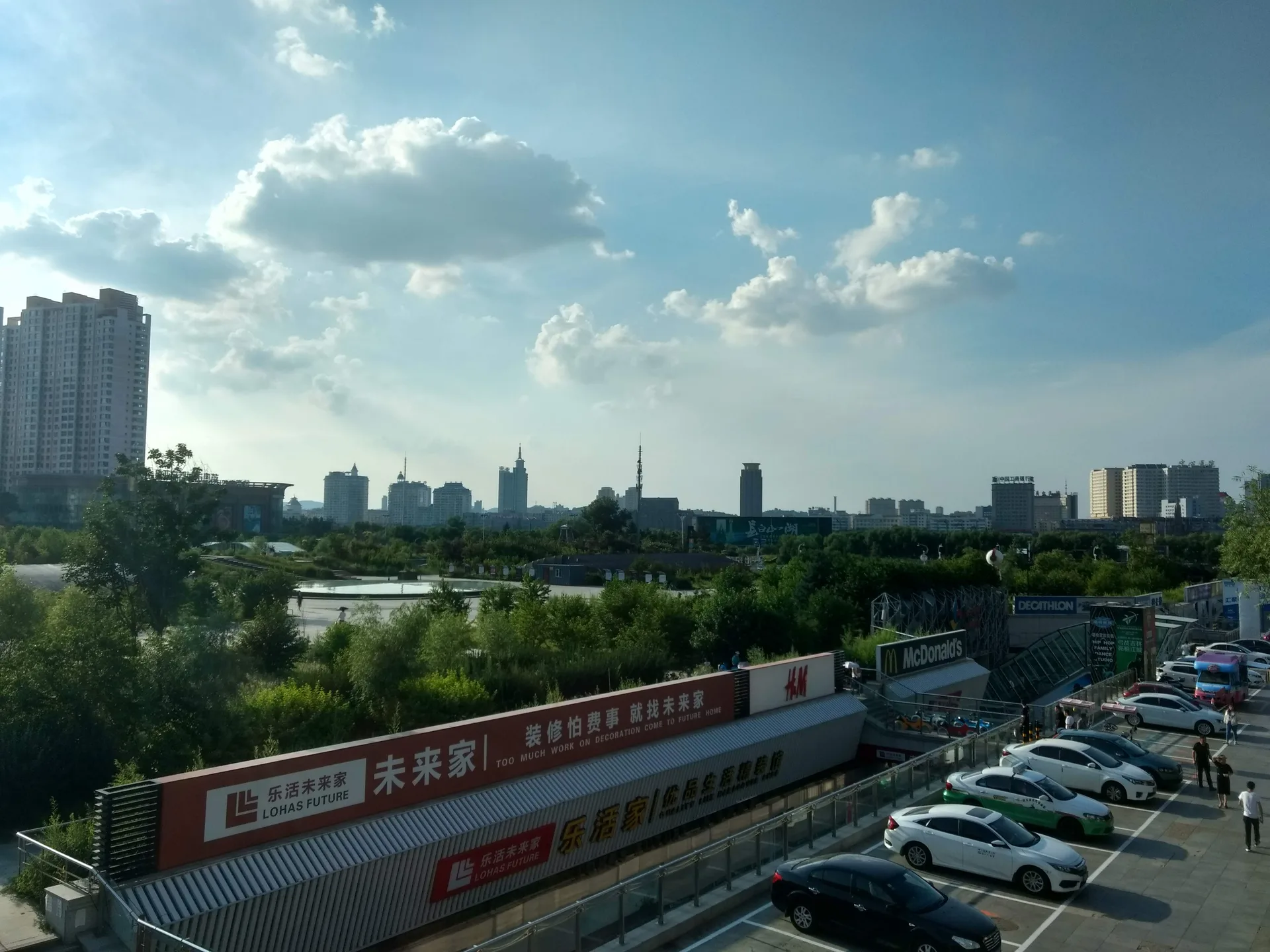
Three days in Jilin City is the middle plan, and it is the one most visitors should take. One day covers the city itself, one day goes to the lake, and one day goes to the Manchu town north of the city. You sleep in the same city centre hotel all three nights, and you come home with the city, the water, and the older town that came before it.
At a glance
- Place: Jilin City, Jilin Province, Northeast China, on the Songhua River
- Duration: 3 days, 3 nights, all in one city centre hotel
- Base: A city centre hotel, within walking reach of the riverfront
- Tickets: General admission to Jilin City Museum is free. Beishan Park entry has been free since 2011. The riverside walk and Century Square are open public space. Lake and island fares are charged separately and move by season, so confirm on the day
- Best season: December to February for the winter rime version; late spring to early autumn for the boat version of the lake day; October for autumn colour around the lake
- Watch out: Jilin City Museum closes on Mondays except national holidays. Rime Island needs a 5:30 AM departure in winter. Night market and snack street locations shift with season and enforcement, so ask your hotel for the current spot
- Getting there: Changchun Longjia Airport (CGQ) plus a high speed train to Jilin, or a direct high speed train from Beijing, Shenyang, Changchun or Harbin. See how to get to Jilin
Jilin City 3-day itinerary in 30 seconds
- Day 1, the city: Jilin City Museum in the morning, Beishan Park temples in the afternoon, the riverside walk at dusk, and a night market dinner.
- Day 2, the lake: Fengman Dam and Songhua Lake as a full day, with a boat to Wuhu Island in the boat season and a frozen lake plus the nearby ski area in winter.
- Day 3, the town: Wulajie Manchu Town with a dawn Rime Island start in winter, or a normal town morning and a copper pot hotpot lunch in other seasons.
- Pace rule: One major site per half day. The two out of town days are the only days that need an early start, and only the winter version of Day 3 needs a dawn one.
- If you have a fourth day: Add the Confucian Temple and the Desheng Street museums, or take the Beidahu ski day in winter. If you have a week, take the 7 day itinerary instead.
How this plan sits between the 2 day and 7 day trips
The 2 day itinerary splits the trip into a city day and a spectacle day, with Rime Island at dawn in winter or Beishan Park and Songhua Lake in other seasons. The 7 day itinerary gives the city three days, then a lake day, a town day, and an overnight Changbai Mountain finish. This plan takes the middle road: the same city day as both shorter plans, then the lake and the town as two full days of their own, with no mountain leg and no hotel change.
The shape of the three days works like a long weekend in a small lakeside town in the English Lake District: one day in the town, one day on the water, one day in the villages around it. The comparison holds for the rhythm only. The difference is the content. Few lakeside towns pair a 1,770 kg meteorite with a hill of three temples, a reservoir whose warm water makes frost on the city trees, and a Manchu town older than the city itself.
Read this plan beside the Jilin City travel guide and the things to do list. Those two pages hold the city overview. This page only fixes the order and the timing.
Day 1: The city, museum, hill, river, and market
Day 1 is the city day, and it is the same day the 1 day itinerary covers in full. If you have only one day in Jilin, take that plan. Here it is the opening day, and the two days after it give it room to breathe.
Morning, 9 AM to 11 AM: Jilin City Museum. Start at the Jilin City Museum at No. 100 Jilin Avenue, by Century Square. General admission is free, hours are 9 AM to 4:30 PM, and the museum closes on Mondays except national holidays. Allow 2 hours for the meteorite hall and the 5,000 year history hall. The meteorite hall covers 2,060 square metres and holds Jilin No. 1, at 1,770 kg the largest single stony meteorite ever found. If this day falls on a Monday, move the museum out and give Beishan Park a longer morning instead.
Midday: a snack street lunch. Walk or take a short taxi ride toward downtown and eat the way locals eat at midday: standing up, pointing, and grazing. Start with jianfen, the pan fried starch jelly that is Jilin’s sidewalk signature, then graze by appetite. Snack street locations shift with season and enforcement, so ask your hotel front desk for the current street rather than following a fixed address. The street food guide covers what to order.
Afternoon, 2 to 3 hours: Beishan Park temples. Give the afternoon to Beishan Park temples, the temple cluster on one hill in Chuanying District. Park entry has been free since 2011. Climb the stone steps in hall order, oldest first: Guandi Temple dated 1701, Medicine King Temple dated 1738, and Jade Emperor Pavilion dated 1776. The hilltop pavilions give the best city views, and the climb itself is the afternoon exercise after a museum morning indoors.
Dusk, 1 to 2 hours: the riverside walk. Return to the river for dusk, and walk the free promenade along Songjiang Middle Road from Linjiangmen Bridge toward Jilin Bridge, ending at Century Square. Linjiangmen Bridge, completed in 1994, runs 686 metres across the river on a single tower. Century Square covers 22.8 hectares, with three music fountains that run in the warm months and stop in freezing weather. The full riverside walk guide covers the route.
Evening: night market dinner. Finish the day at a night market, and let dinner be the evening rather than a stop before it. Charcoal skewers, eaten at plastic stools with the smoke in your jacket, are the standard first order. The night markets guide covers the after dark half of the food story.
Day 2: Fengman Dam and Songhua Lake, a full day
Day 2 leaves the city for the water. The Fengman Dam and Songhua Lake guide covers this day in full, and this plan only fixes it into the three day order.
The scenic area sits about 20 km southeast of downtown, in Fengman District. Buses 33 and 333 run toward the area, and a taxi or Didi from downtown takes roughly 30 to 40 minutes. Leave in the morning so the boat hours belong to you, not to the return trip.
Start at the dam itself. Construction of the first dam began in 1937, when northeast China was under Japanese occupation, and the dam was finished in 1953. A new dam rose about 120 metres downstream between 2015 and 2019, with 1,480 megawatts of capacity, and nearly 400 metres of the old dam was kept as industrial heritage. What you see today is a modern working dam with a preserved fragment of its predecessor beside it.
Then take the boat. From Fengman Wharf, boats cross Songhua Lake to Wuhu Island, also called Five Tigers Island, in about 50 minutes on the larger boats and roughly 15 minutes by speedboat. The lake covers about 550 square kilometres, making it the largest artificial lake in Jilin province and a national 4A scenic area. The boat ride is the core of the visit: as you move deeper into the lake, the hills close in, the water traffic thins, and the trip turns quiet.
Back on shore, lunch is part of the plan rather than an afterthought. Songhua Lake fish are sold under the name “three flowers and one island”: Aohua, Bianhua, Jihua, and Daozi fish. Order a whole fish or a fish soup at a lakeside restaurant and you have tasted the lake in the most direct way available.
One honest note on hours and fares. An older official listing gave scenic area hours of 8 AM to 5 PM and entry around 10 yuan, with boat fares charged separately. Treat those figures as a starting point only: prices and hours move by season, so confirm at the visitor centre and the wharf on arrival. Allow 3 to 4 hours for the wharf, a boat trip, and lunch, and a full day if you add island walks and a slow lakeside afternoon.
In winter, this day changes shape. The lake freezes over, boats stop, and attention shifts to ice fishing and to the ski slopes nearby, with the Vanke Songhua Lake Resort in the same area. If boats are the point of the day, come between late spring and early autumn. If the frozen lake is the point, dress for it: the winter packing list covers clothing for a day outdoors at minus 20 degrees and below.
The dam also explains the city’s winter. The warm water released from Fengman is what keeps the Songhua River downstream from freezing, which is what lets fog freeze onto the riverside willows in the city. So the lake day and the rime dawn on Day 3 are two ends of the same dam story.
Day 3: Wulajie Manchu Town, with a dawn island start in winter
Day 3 goes north, to the town that came before the city. The Wulajie Manchu Town guide covers this day in full, and this plan only fixes it into the three day order.
The town sits about 30 km north of downtown, in Longtan District on the Songhua River. Allow about 1 hour each way by road. A bus runs from the Chaluxiang Bus Station area near Jilin Railway Station toward Wulajie Town, and a taxi or Didi round trip with waiting time is simpler and controls the return hour.
Winter version: leave by 5:30 AM. In winter, Rime Island sits in the same town, and rime ice is a dawn sight that fades by late morning. Leave downtown by 5:30 AM at the latest, arrange a car the night before through the hotel front desk or Didi, and dress for the coldest morning of the trip. The Rime Island day guide covers the island villages and the dawn walk. Island admission is typically under 100 RMB, and a whole day trip with transport, ticket, and a hot lunch in Wulajie lands well under 300 RMB per person in the existing guide, with winter season pricing moving, so use that figure only as a rough guide and confirm locally.
After the island, the town. Spend the rest of the morning and lunch in Wulajie itself. Walk the old Manchu street, look for the Qing courtyard houses known as Houfu, Kuifu, and Safu, and go to Jiujie Village for the site of the old Ula capital, which fell in 1613. A new Ula town was built in 1701, and in 2008 the town was named a Chinese Famous Historical and Cultural Town. The houses form a listed building group, named by Jilin Province in 2007 and by the State Council as a national key cultural relic in 2013, so a door can be under repair on the day you come. If one is shut, look at the courtyard walls and rooflines from the street and move on to the next stop.
Lunch: the copper pot. Eat Manchu hotpot in town, a copper pot of broth with pickled cabbage and blood sausage among the core ingredients and sliced meats to cook at the table. The flavour is sour and savory from the pickled cabbage, which makes it a different meal from spicy Sichuan hotpot. The hotpot guide explains the wider Jilin hotpot table, and Wulajie is the home setting version of that meal.
In other seasons, skip the dawn start. Give the town a normal morning instead. The island without rime is a quiet river island, and the value of the day shifts fully to the street, the houses, and the food. That is also the better season for a slow walk, since the town street is at its easiest in mild weather and the hotpot lunch is welcome rather than urgent after a freezing dawn.
Return to the city in the afternoon. If you still have energy, walk the lit bridges once more from Century Square. If you do not, head back to the hotel. A three day plan earns its rest, and the last evening is for packing, not for one more sight.
Practical notes for the three days
- Base: Stay in the city centre for all three nights, so the riverfront, the museums, and Beishan Park stay within easy reach, and both out of town days start from one hotel. See where to stay and the transport guide for getting around.
- Bookings to make ahead: The Rime Island car on the night before Day 3 in winter. Rime season hotels on December to February weekends also need an early booking. Everything else can stay loose.
- Money: Set up Alipay or WeChat Pay before arrival and carry some yuan as backup. The budget guide covers daily costs for a city stay.
- Hours and tickets: Several sites in this plan change hours or fares by season. Check the linked guide for each day the evening before, and confirm at the door, the wharf, or the dock on the day. A plan that assumes a fixed timetable for a small museum, a lake boat, or a town house will fail on exactly those three kinds of day.
- Short on time: The 2 day itinerary covers the city highlights in two days, and the 1 day itinerary covers the city alone. The things to do list helps you cut this plan down by dropping the lake day first and the town day second.
- Extending the trip: Add a fourth day for the Confucian Temple and the Desheng Street museums, or take the 7 day itinerary for the full week with its overnight Changbai Mountain finish. The mountain day itself fits in one day, but the travel around it does not fit comfortably in the same day: Erdaobaihe town sits about 330 km from Jilin City, so the mountain needs its own overnight stay.