Jilin Dumpling Guide: Jiaozi, the Suan Cai Filling, and How to Eat Them Like a Local
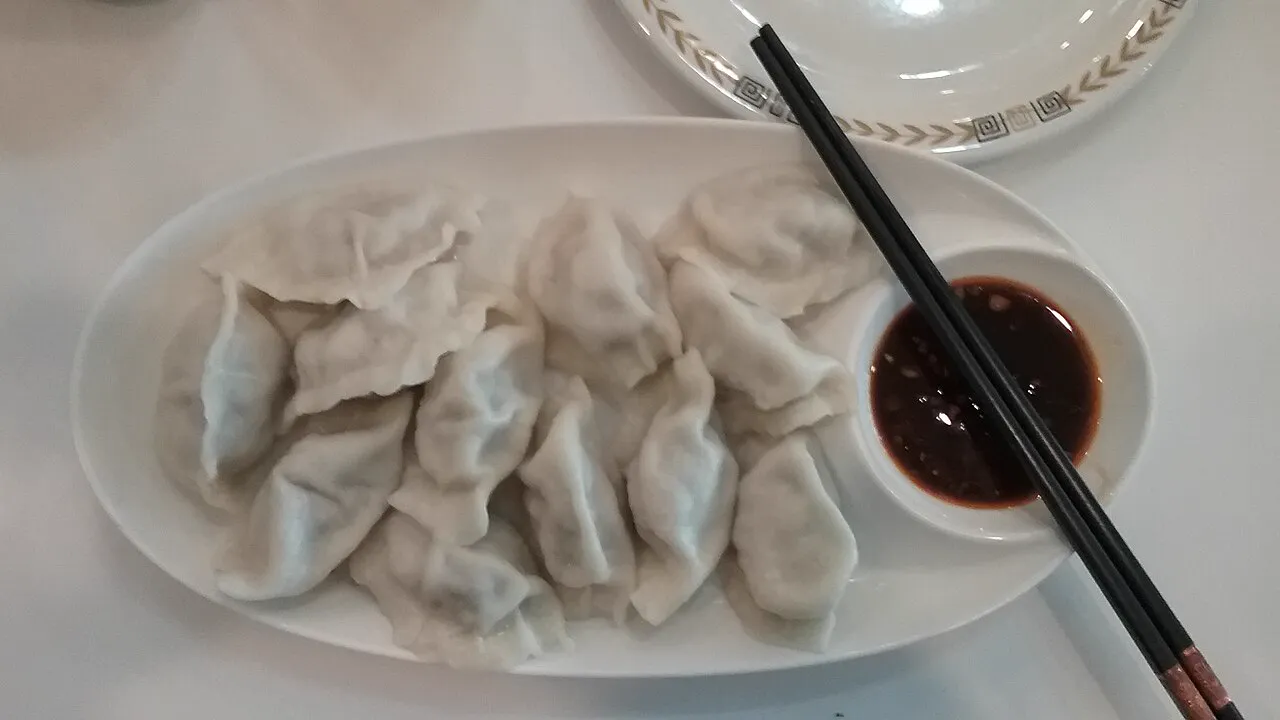
The essentials in 30 seconds
- The default order: 猪肉白菜 (zhūròu báicài), pork and napa cabbage. If a menu has twenty fillings and you feel lost, this is the safe first plate everywhere in Jilin.
- The local signature: 猪肉酸菜 (zhūròu suāncài), pork and fermented suan cai cabbage. This is the filling that tastes like the northeast itself, sour, juicy, and built for winter. Our hotpot guide explains the suan cai behind it.
- The three ways they arrive: boiled (水饺 shuǐjiǎo, the classic), steamed (蒸饺 zhēngjiǎo, delicate), pan-fried (煎饺 jiānjiǎo, crispy bottom). Same filling, three textures. Try boiled first.
- The ritual: dip in black vinegar with minced garlic, eat them hot, and know that on the winter solstice the whole city is eating them at once.
Why dumplings run this city
Jilin’s winters are long, dark, and serious, and the local table is an answer to that climate. Wheat keeps through the cold months. Cabbage ferments into suan cai and keeps too. Pork, the region’s staple meat, minces fine and stays juicy inside a wrapper. The dumpling is what happens when a city looks at its three most reliable winter ingredients and folds them into one bite. That is the climate-to-table logic behind most of Dongbei food, and our food guide walks the full version.
There is also the calendar. Dumplings are New Year food across northern China, folded into the crescent shape of the old silver ingots for luck, and they are the mandatory meal of the winter solstice (冬至), when families gather and the joke goes that anyone who skips them will freeze an ear off. In Jilin these are not restaurant occasions. They are home occasions, which is why the restaurant versions taste like someone’s grandmother is still supervising.
The cousin you already know
If you have eaten pierogi in Poland, you already know the format: a wheat pocket, boiled, built for a long winter, eaten by the plateful. The cousin-not-twin part is the pantry. Pierogi fillings lean potato, cheese, or sauerkraut, and they are often finished in a pan with butter and onions. Jiaozi stay in the pork-and-cabbage lane, keep their pleated crescent edge, and meet black vinegar instead of sour cream. Same winter logic, different kitchen.
Siberia offers an even closer cousin: pelmeni, small meat-filled dumplings boiled and eaten through minus 30 weather, often with vinegar. The difference is the fold. Pelmeni are round and ear-shaped with no pleats; a jiaozi wears its crescent and pinched edge like a uniform. Jilin sits at roughly the same latitude as that dumpling belt, and it shows on the plate.
The fillings to know
Menus look long but the landscape is small. Learn these and you can order anywhere:
- 猪肉白菜 (zhūròu báicài): pork and napa cabbage. The default dumpling of northern China. Juicy, balanced, the one every shop is judged on. Start here.
- 猪肉酸菜 (zhūròu suāncài): pork and suan cai, the fermented cabbage at the heart of the Dongbei table. Sour, deeply savory, unmistakably northeastern. This is the filling to remember Jilin by. If you only try one local thing, make it this.
- 韭菜鸡蛋 (jiǔcài jīdàn): leek and egg. The vegetarian-friendly classic, bright green, fragrant, lighter than the pork versions.
- 三鲜 (sānxiān): “three delicacies,” usually pork, shrimp, and egg, sometimes with leek. The slightly fancier plate, a small step up in price.
- 牛肉 / 羊肉 (niúròu / yángròu): beef or lamb versions exist, heartier and gamier, worth trying once you know the pork baseline.
- 素馅 (sùxiàn): mixed vegetable fillings vary by shop, often cabbage, mushroom, and vermicelli. Ask what is in today’s; it changes.
One honest note: the suan cai filling is an acquired taste on the first bite and a craving by the third plate. Give it the full plate before you judge.
Boiled, steamed, or pan-fried
The same filling comes three ways, and locals have opinions:
- 水饺 (shuǐjiǎo), boiled: the classic. Plump, slippery, served by the plate or counted by the jin (half kilo). This is the form for the suan cai filling, which needs the clean backdrop of boiling water.
- 蒸饺 (zhēngjiǎo), steamed: more delicate, the wrapper slightly chewy, often a touch smaller. A good choice for the leek and egg filling.
- 煎饺 (jiānjiǎo), pan-fried: crispy golden bottom, soft top, the textural show-off. Closest to what the west calls potstickers. Excellent with the pork and cabbage filling.
If a shop offers all three with the same filling, order boiled. It is the baseline against which everything else is measured.
How to eat them, in order
- Build the dip. The standard is black vinegar (醋 cù) with minced garlic, sometimes a few drops of soy sauce. Dongbei tables often add chili oil on the side. The suan cai filling is already sour, so go lighter on the vinegar with that plate.
- Eat them hot. A boiled dumpling starts losing its charm the minute it cools. The wrapper tightens, the juice settles. This is not a dish to photograph for ten minutes.
- Count in plates, not pieces. A standard plate runs about a dozen. A proper dumpling meal is one filling per person plus one to share, with something pickled on the side. See the budget guide for the math; it is among the cheapest full meals in the city.
- Mind the calendar. If you are in Jilin on the winter solstice, every dumpling shop will be packed and every family will be folding at home. Join the line. It is the single most local food experience on the calendar.
- Frozen counts too. Supermarkets sell bags of frozen jiaozi, and Dongbei freezers are stocked with them all winter. A bag plus a pot of boiling water is a legitimate Jilin dinner, and arguably the most honest one.
Where to find them
Dumpling shops (饺子馆) are everywhere, from breakfast counters to dedicated dinner halls. Morning belongs to the small shops near markets and residential streets, where office workers eat a plate standing up; our breakfast guide maps that scene. Evening belongs to the sit-down halls, louder, with beer and cold dishes alongside. The dedicated shops almost always beat the dumplings-on-the-side-menu restaurants. If the menu lists more than ten fillings and the room smells of vinegar and garlic, you are in the right place.
No English menus outside the hotels near the station. Point at the neighboring table’s plate, or show the characters from the fillings list above. The street food guide has the full pointing-and-ordering playbook.
Good to know
- The suan cai filling is the point. Pork and cabbage exists everywhere in northern China. Pork and suan cai is the northeast talking. Prioritize accordingly.
- Garlic is not optional. The vinegar-and-garlic dip is part of the dish, not a condiment choice. Embrace it.
- Vegetarian works. Leek and egg plus the mixed vegetable fillings make a full meal. Confirm no pork in the mixed filling if it matters; some shops mince a little in.
- Takeaway travels well. Boiled dumplings packed to go survive about twenty minutes. Pan-fried ones survive longer and reheat better.
- Pairs well with: the hotpot guide for the suan cai backstory, and what to eat in Jilin for where dumplings sit in the full Dongbei table.
FAQ
What is the difference between jiaozi, wontons, and baozi? Jiaozi have a thicker wheat wrapper and a flat crescent shape, boiled or pan-fried, eaten with dipping sauce. Wontons have a thinner wrapper and swim in soup. Baozi are leavened buns, fluffy like bread, always steamed. Different doughs, different meals.
How many dumplings should I order? A plate is roughly twelve. One plate per person is a light lunch; a plate and a half with a cold dish is dinner. When in doubt, order one plate, then order more. They arrive fast.
Are the frozen supermarket dumplings any good? Yes, genuinely. Dongbei households live on them all winter, and the commercial frozen ones are a real product category, not a sad compromise. Boil from frozen; do not thaw first.
I cannot eat pork. What are my options? Leek and egg is the classic non-pork choice, and beef or lamb fillings are common. Ask before ordering the mixed vegetable filling, which sometimes contains minced pork.
Is there a Jilin-specific dumpling I should not miss? The pork and suan cai boiled dumpling. It is the filling you cannot get right outside the northeast, because the suan cai itself does not travel well. Eat it here.
Start with what to eat in Jilin for the full Dongbei table, then warm up with the hotpot and street food guides.