Jilin Manchu Museum Guide: A Courtyard House, Eight Halls, and Free Entry
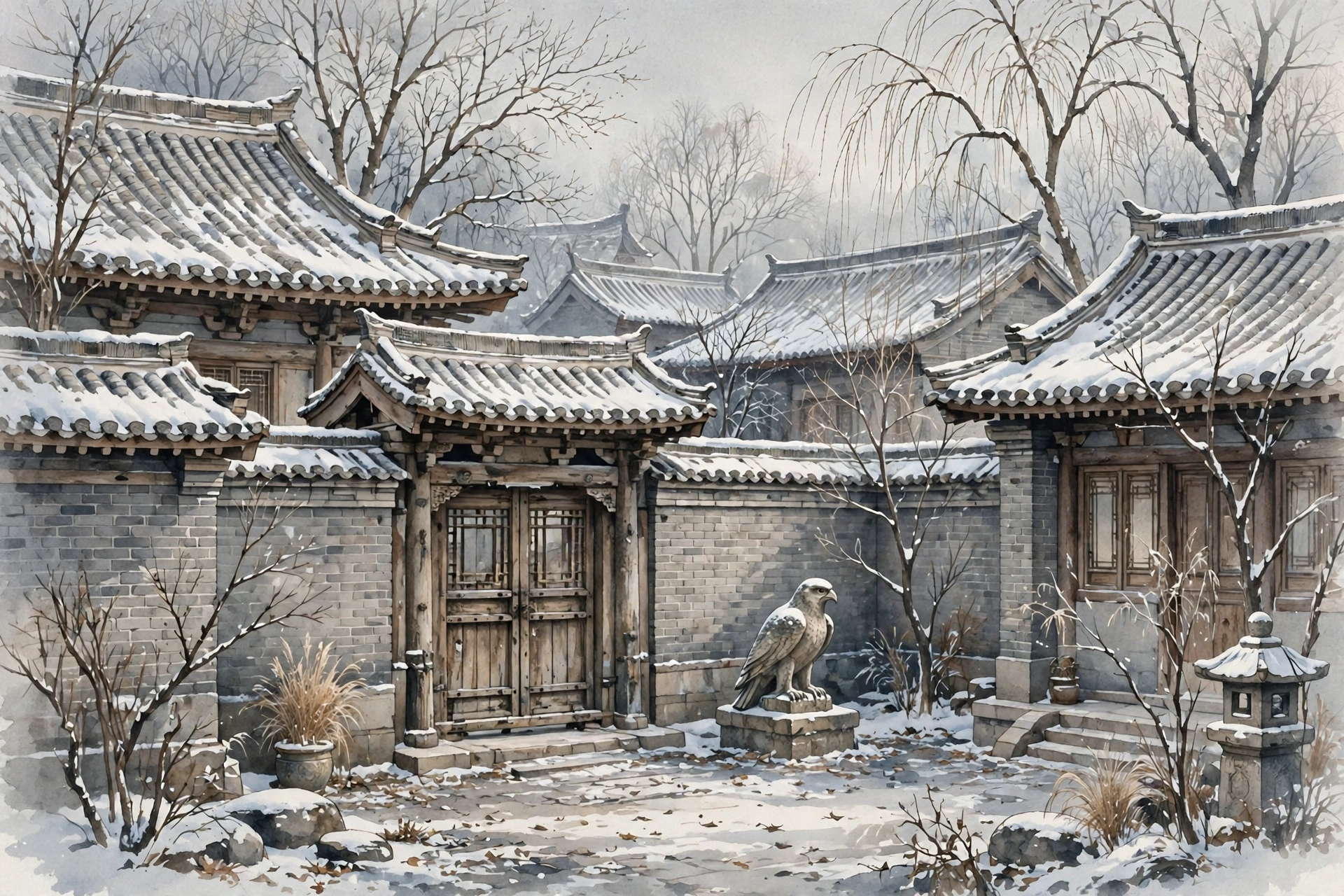
Jilin Manchu Museum in 30 seconds
- What it is: A small museum devoted to Manchu culture in Jilin City, set inside a historic courtyard house rather than a modern museum block. It is a national third-class museum.
- Where: No. 47 Desheng Road, Chuanying District, at the southern foot of Beishan Park. The site covers about 2,700 square meters, with about 1,800 square meters of buildings.
- Why go: The house is part of the visit. It is the former residence of Wang Baichuan, built in 1932 and protected as a provincial cultural relic. Inside, eight halls move from Manchu origins and daily life to the Ula shipyard and Shaman ritual, with more than 1,000 items on display, including more than 30 graded pieces.
- Practical: General admission is free, with no reservation reported. The museum is closed on Mondays. Allow 1 to 2 hours, and pair it with Beishan Park next door.
Start with the house, not the labels
The Manchu Museum works best if you read it as a historic house museum first and a collection second. Think of the small folk museums kept in old houses in England or Scandinavia, where the rooms set the scale. The difference here is that the rooms hold a whole ethnic history, not one family story. Wang Baichuan was a local businessman of the late Qing and early Republican period, and he is remembered in Jilin for funding the first highway bridge over the Songhua River, the Jilin Bridge. His courtyard, with its tiled roofs and enclosed yard, gives the Manchu objects a domestic setting that a glass hall cannot.
That setting also explains the size. This is not a day long museum. Visitor reports put a full walk at well under an hour if you skim, and up to two hours if you read. The yard is compact, so school groups and tour groups can fill it fast. A weekday morning is the calmest time.
The eight halls, in visit order
The museum lists eight galleries. Walk them in this order and the story builds from origins to belief.
Tracing the Roots of the Manchu. The opening hall sets out where the Manchu came from and how Jilin fits that story. Jilin was once called Jilin Ula, and Ula is the Manchu word for river. If you have read the Manchu roots guide, this hall supplies the objects behind that history. If you have not, start here and read that guide later for the wider story.
Manchu Production and Living Customs. Tools, clothing, and household items show how Manchu families farmed, hunted, fished, and kept house in the northeast. Look for the practical details: what people wore for winter work, how food was stored, and how a household divided its rooms. This hall pairs well with the paper-cutting guide, which covers a living craft that grew out of the same domestic world.
The Land of the Dragon. This hall covers Jilin as a place shaped by the Qing court and the river. The name points to the imperial connection: Jilin Ula supplied the court, and the city kept a special status in the Qing system.
Emperor Kangxi Inspects the Jilin Navy. The title can mislead English readers. This was a river fleet, not a seagoing navy. Jilin Ula was a shipyard and naval station on the Songhua River, building and maintaining boats for the Qing state in the northeast. Read this hall as the story of a working river port, and the Kangxi visit as the moment the court inspected that work in person.
Old Photos of Jilin Daxing Wula. Old photographs slow the visit down in a good way. They show streets, boats, and people from a Jilin that no longer exists, and they help you picture the courtyard house when it was a working home rather than a museum.
Artistic Essence. Paintings, embroidery, and decorative work show the Manchu eye for pattern and color. After the tools and photographs, this hall is a useful change of pace before the last two halls turn to ritual.
Jilin Wula Shaman Culture and the Sikterli Shaman Sacrificial Shrine. These two halls are the reason many visitors come. Shaman ritual was central to Manchu spiritual life, and the museum holds a full set of ritual dress and sacrificial items. Guides point out the Manchu script in these halls, a vertical script of strokes, circles, and dots that looks closer to Mongolian writing than to Chinese characters. Treat the shrine with the same quiet attention you would give a chapel or a temple hall. It is a place of belief presented as heritage, not a stage set.
A museum with a front door sculpture
At the entrance, a bronze gyrfalcon on a rock marks the Manchu hunting tradition of falconry. It is a useful landmark if you are meeting a group, and a useful clue to the museum: hunting, horses, and river work shaped this culture as much as court ceremony did.
Practical information
- Address: No. 47 Desheng Road, Chuanying District, at the southern foot of Beishan Park.
- Hours: Closed on Mondays. Listings agree on a morning session from 9:00 to 11:30 and an afternoon session starting at 13:00, with a midday break. Evening closing times differ across listings, so plan an afternoon visit as the safe option and check the notice at the door for that day.
- Admission: General admission is free, and listings report no reservation requirement.
- Guided tours: Some listings report free guided tours at 9:00, 13:00, and 18:00. If you want a guide, arrive for a morning tour, when the museum is quietest.
- How long: 1 hour covers all eight halls at a steady pace. Allow 2 hours if you read the Shaman halls in full or join a guided tour.
- Getting there: The museum sits beside Beishan Park, so any route to the park works. See the transport guide for bus and taxi basics, and walk from the park side if you are already on the hill.
- Combine with: Beishan Park temples next door, where three traditions share one mountain, and the things to do list for the rest of the day. For a second museum day, add the Jilin City Museum guide on a separate visit.
Which museum is which
Jilin City has three museums that visitors mix up, and the mix up wastes time.
This museum, the Manchu Museum, is the small one in the courtyard house by Beishan Park. It covers Manchu culture only.
The Jilin City Museum, at No. 100 Jilin Avenue by Century Square, is the large city museum with the meteorite hall and the 5,000 year local history exhibition. See the city museum guide for that visit.
The Jilin Provincial Museum is a different museum in Changchun, the provincial capital, not in Jilin City. Do not plan it as a Jilin City walk.
FAQ
Is entry really free? General admission is reported as free across listings. Special or temporary exhibitions can differ, so check the notice at the door if you are coming for a specific show.
How is this museum different from the Manchu roots guide on this site? The roots guide tells the history in words. This museum shows the objects, the house, and the ritual rooms. Read the roots guide before you go, and use the museum to see what that history looked like at household scale.
Do I need to book? Listings report no reservation requirement. Walk in during opening hours, and expect a short wait if a school group is ahead of you.
Is the museum suitable for children? Yes, with one note. The eight halls are short and visual, and the falcon sculpture and old photographs hold attention well. The Shaman halls deal with ritual and sacrifice, so brief younger children before those rooms.
Can I take photos? Visitor reports mention costume photo spots in the museum, but rules vary by hall. Follow the signs in each room, and do not use flash near textiles or ritual items.
What if I only have one hour? See the house itself, the roots hall, the daily life hall, and the two Shaman halls. Skip the photograph hall on a first visit if you must cut something, and return for it with Beishan Park on a second morning.