Jilin Administrative Museum Guide: 278 Years as a Regional Capital, in One Building
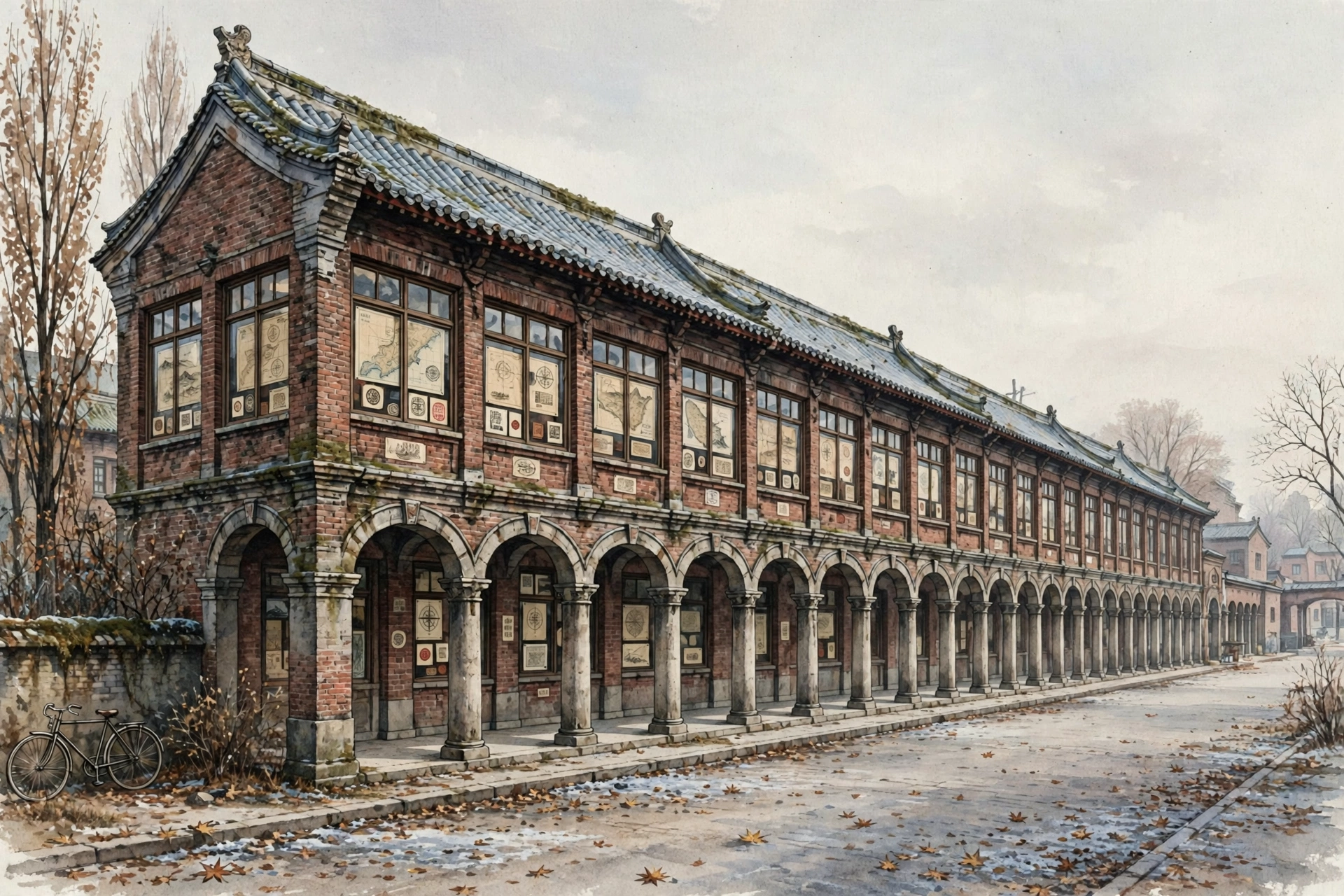
Jilin Administrative Museum in 30 seconds
- What it is: A small themed museum about Jilin City as an administrative center, from 1676 to 1954. That span of 278 years is the whole point of the visit.
- Where: A Trip.com listing places it on Desheng Street in Chuanying District, in the municipal government area. The listing gives no street number, so use the museum name when you ask for directions or show a driver.
- Why go: Other Jilin museums cover meteorites, Manchu culture, or city history in general. This one follows the offices that ran the region: the military governor, the provincial capital, and the move to Changchun.
- Practical, with a warning: The same listing reports free entry and hours of 10:00 to 22:00 year round. Treat both as listing claims, not confirmed facts. This is a small venue with a restaurant upstairs, so exhibition floors may close earlier than the restaurant. Check the notice at the door before you plan an evening visit. Allow 1 to 2 hours.
Start with the dates, and the building makes sense
The museum works best if you arrive with four dates in mind.
In 1673, Jilin was fortified. In 1676, the military governor’s headquarters moved here from Ningguta, and the city became the administrative center of a vast northeast region. In 1907, Jilin formally became a province, with this city as its capital. In 1954, the provincial capital moved to Changchun, and Jilin City took its present role as a prefecture level city.
That sequence explains the museum name. “Administrative” here means the seat of government, not a collection of office furniture. The exhibits trace how one river city held that seat through the Qing period, the Republican period, and the early years after 1949, then lost it in 1954.
Think of a small city archive kept in an old town hall in England, where the exhibits are local records rather than national treasures. The parallel holds for scale and tone. The difference is the subject: this museum is about a city that once ran a region, not a town that only ran itself.
The building: a 1932 office with a second life
The same Trip.com listing reports that the building began as the Jilin Provincial Police Department in 1932 and later served as the Municipal Construction Committee office, before its present use as a themed museum. That history is worth knowing for one practical reason. You are visiting a working office building turned into a museum, not a purpose built museum block. Expect corridors and rooms sized for offices, and a visit that feels closer to walking through an old workplace than touring a grand hall.
The three floors, in visit order
First floor: National Trend Revival. This floor leans into everyday memory. Old brand products and a retro post office set the scene, and the listing says visitors can send postcards from the post office corner. Start here if you travel with older relatives or children, since the objects need little explanation.
Second floor: Historical Corridor. This is the core of the museum. The listing describes the 278 year story from 1676 to 1954, with maps and seals among the items on display, plus official uniforms from different periods. There is also a dress up photo spot, with qipao and Zhongshan suits to try. Read this floor slowly. The maps show why the Songhua River mattered to an administrative center, and the uniforms show how the same offices changed hands across regimes.
Third floor: Time Restaurant. The top floor is a restaurant in retro decor serving Jilin cuisine, with private rooms suited to family gatherings. Treat it as a paid restaurant inside a free entry venue, not as part of the free exhibition. Prices are not confirmed in the listing, so check the menu before you sit down.
A piano by a window is also mentioned in the listing. If it is there on your visit, it fits the mood of the place: a building that invites you to linger after the history lesson.
Practical information
- Address: Desheng Street, Chuanying District, in the municipal government area. No street number is confirmed in the sources found for this guide, so navigate by the museum name and confirm the entrance on arrival.
- Hours: A Trip.com listing reports 10:00 to 22:00 year round. No weekly closure day is stated in that listing. Because the top floor is a restaurant, do not assume the exhibition floors stay open to 22:00. Visit in daytime for the safest plan, and check the door notice for that day.
- Admission: The listing reports free entry to the museum. The restaurant upstairs is a separate paid service.
- How long: Allow 1 hour for the two exhibition floors at a steady pace. Allow 2 hours if you try the dress up spot, send a postcard, and eat upstairs.
- Getting there: The listing places the museum near the Songhua River walk and the Catholic church. See the transport guide for bus and taxi basics, and show the museum name in Chinese on your phone if the driver does not know the English name.
- Combine with: The Songhua riverfront walk and Sacred Heart Cathedral nearby, then the things to do list for the rest of the day. For the full trip plan, see the Jilin City travel guide. For a full museum day, add the Jilin City Museum guide on a separate visit.
Which museum is which
Jilin City has several museums with similar names, and the mix up wastes time.
This museum, the Administrative Museum, covers the 1676 to 1954 administrative story in a former office building on Desheng Street.
The Jilin City Museum, at No. 100 Jilin Avenue by Century Square, is the large city museum with the meteorite hall and the 5,000 year local history exhibition. See the city museum guide for that visit.
The Jilin Manchu Museum, at No. 47 Desheng Road by Beishan Park, is the small courtyard house museum devoted to Manchu culture. It shares a street name with this museum, so check the museum name at the door, not just the street. See the Manchu museum guide for that visit.
The Jilin Provincial Museum is a different museum in Changchun, the provincial capital, not in Jilin City. Do not plan it as a Jilin City walk.
For the wider history behind the 1676 date, read the Manchu roots guide before you go.
FAQ
Is entry really free? A Trip.com listing reports free entry. That claim has not been confirmed against an official museum notice in the sources found for this guide, so check the notice at the door if you are coming for a specific exhibition.
Is this the same as the Jilin City Museum? No. The city museum is the large museum by Century Square, with the meteorite hall. This museum is a smaller venue about the administrative history of the city.
What if I only have one hour? Go straight to the second floor Historical Corridor, then down to the first floor post office corner. Skip the restaurant unless you plan to eat.
Can I take photos? The listing mentions a dress up photo spot, which suggests photos are welcome in that area. Rules can vary by room, so follow the signs in each hall and do not use flash near old paper or textiles.
Is the restaurant worth it? It is a useful lunch stop after the exhibition, with retro decor and private rooms for groups. Judge it as a restaurant, by its menu and prices on the day, rather than as part of the museum ticket.
Should I come in the evening? Only if you have confirmed the exhibition floors are open that evening. The reported 10:00 to 22:00 hours may reflect the restaurant as much as the museum. A daytime visit is the safer plan.